SAIs Demonstrate Value by Auditing the 2030 Agenda and the Sustainable Development Goals
Authors: Aránzazu Guillán Montero, Senior Governance and Public Administration Officer, UNDESA and Archana Shirsat, Deputy Director General of the INTOSAI Development Initiative (IDI).
Supreme Audit Institutions (SAIs) and the International Organization of Supreme Audit Institutions (INTOSAI) have increasingly positioned themselves as key actors in advancing sustainable development. Successive INTOSAI strategic plans (2017–2022 and 2023–2028) identify the contribution of SAIs to the implementation, follow-up, and review of the Sustainable Development Goals (SDGs) as a strategic priority. This longstanding commitment has provided an enabling institutional framework that has stimulated numerous initiatives— often supported by the INTOSAI Development Initiative (IDI) — and yielded a growing set of tools, methodologies, and audit reports across diverse sectors and SDG targets.
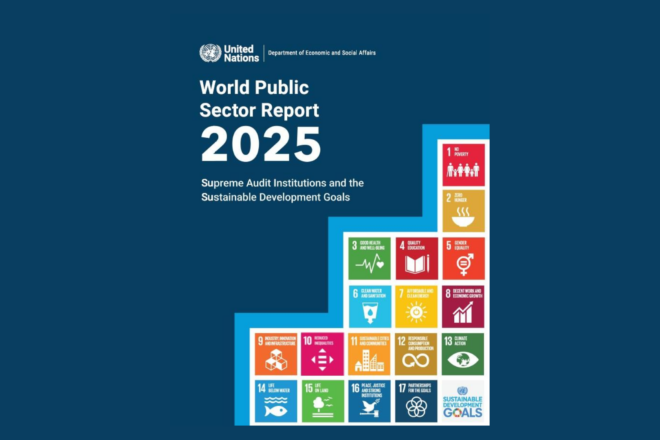
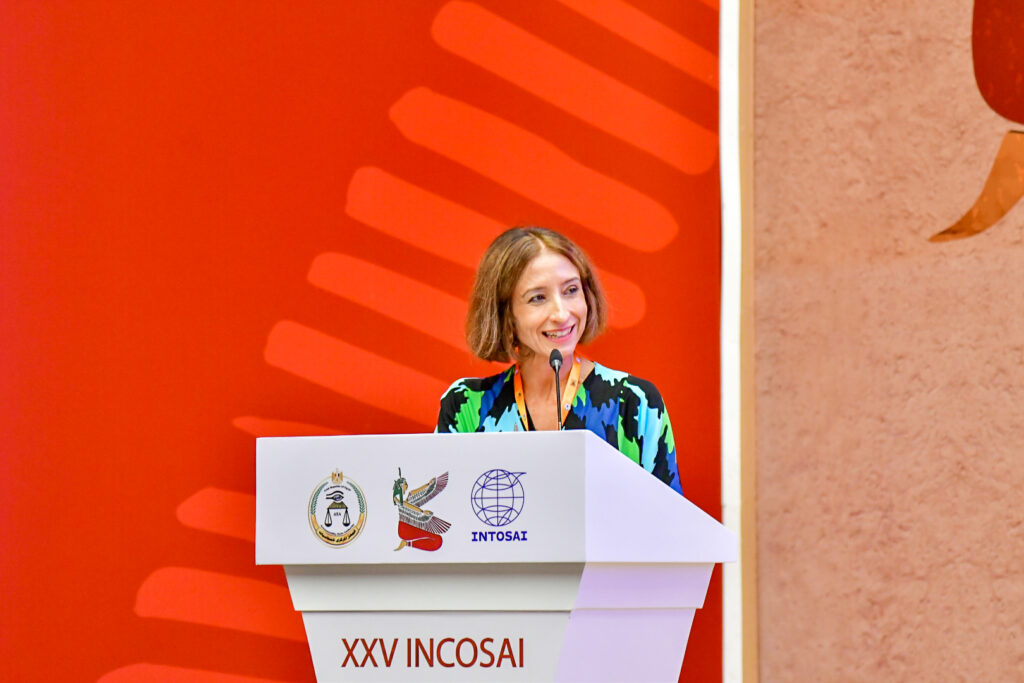
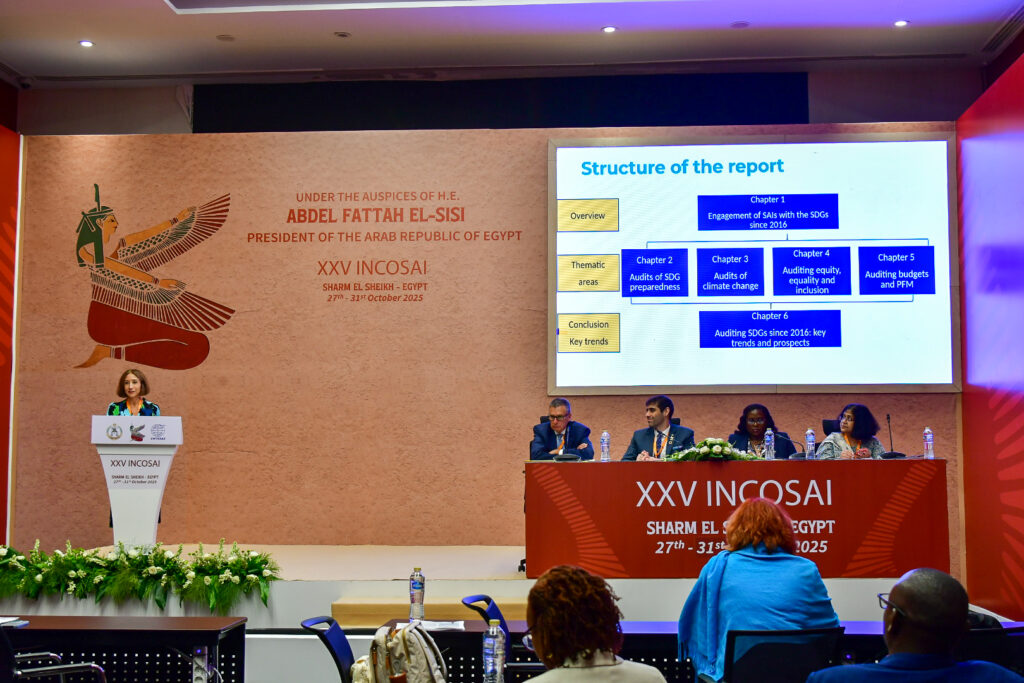
In this context, UNDESA and IDI jointly organized a side event during the XXV INCOSAI (27–31 October 2025, Sharm El-Sheikh, Egypt) to facilitate dialogue on the evolving role of SAIs in auditing national sustainable development priorities and advancing the SDGs. The contribution and positioning of SAIs in relation to the SDGs is further examined in UNDESA’s World Public Sector Report 2025. The report offers a global overview of how SAIs support SDG implementation—both broadly and within selected goal areas—and how their engagement with the 2030 Agenda has evolved since 2016.
SAIs Focus on Sustainable Development and SDGs
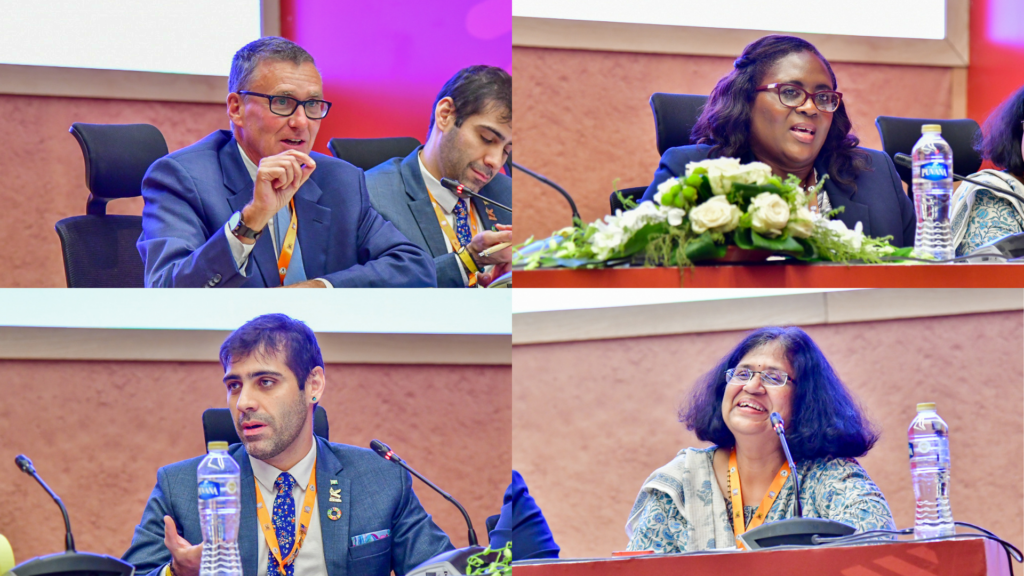
Drawing on insights from the report, the session examined emerging trends and persistent challenges in SDG auditing. Discussions explored the evolving role of SAIs in assessing national sustainable development priorities, their positioning within SDG follow-up and review systems, their engagement in related UN processes, and the competencies auditors need to conduct independent assessments in this domain.
The World Public Sector Report highlights the rapid development of SDG-related expertise across SAIs. This progress is reflected in strategic planning and targeted capacity-building, and reinforced through extensive knowledge-sharing. According to the INTOSAI Global Stocktaking Report 2023, 43 per cent of SAIs have conducted performance audits on SDG implementation, with many also strengthening stakeholder engagement throughout the audit process. The INTOSAI General Secretariat emphasized the catalytic role of the 2030 Agenda, noting that the SDGs have provided a shared reference framework that has stimulated innovation in auditing and deepened SAIs’ engagement with global sustainable development processes.
SDG audits have produced relevant information for follow-up and review at all levels. Nationally, audits have audited preparedness for SDG implementation, the performance of programmes linked to specific goals, progress towards targets, and the effectiveness of institutional arrangements. At the regional and global levels, coordinated audits, global assessments, and new initiatives such as the ClimateScanner and IDI’s Global Cooperative Audit of Climate Change Adaptation Actions (CCAA) have strengthened the evidence and insights available to policymakers.
SAIs have also identified institutional constraints that hinder SDG progress, enabling governments to adjust institutional mechanisms, processes, and policies. Examples from different policy areas illustrate how audit recommendations have prompted corrective action and improved governance. Overall, the Report shows that SAIs’ contributions to SDG follow-up and review have expanded significantly, although significant opportunities remain to further integrate audit findings into formal follow-up and review mechanisms.
Methodological Changes and Innovations Related to SDG Auditing
SAIs have developed a range of innovative tools and methodologies for auditing the SDGs -valuable not only for audit institutions but also for other stakeholders engaged in SDG evaluation.
Notable methodological developments underscored during the session include:
- Whole‑of‑government approaches and a strong focus on policy coherence, which have become integral to SDG‑related audits.
- Integration of cross‑cutting issues and equity considerations, achieved through both individual SAI innovation and collaborative regional or global initiatives.
- Frameworks for consolidating audit findings, offering broader insights into SDG themes beyond individual audit mandates.
- A growing emphasis on forward-looking audit work, including on debt sustainability and climate action, with potential to expand into additional SDG areas.
These methodological advances underscore the increasing sophistication of SDG auditing and the important role SAIs can play in supporting evidence‑based policymaking.
Positive Impacts of SDG Auditing, Even in Challenging Contexts
The session highlighted how SDG auditing has created opportunities for SAIs to add value in their governance environments, even in contexts with challenges such as Small Island Developing States (SIDS). The SAI of Saint Lucia provides a compelling example. It has actively engaged in SDG audit initiatives, including IDI’s SDG preparedness audit, IDI’s cooperative audit on resilient public health systems, and the ClimateScanner initiative. Despite limited technical expertise, resource shortages and challenges in accessing data, these audit efforts have generated tangible national and institutional benefits.
Nationally, the preparedness audit spurred substantial action. The Government conducted a rapid SDG assessment with UN support, developed an SDG implementation plan, restructured the national coordination committee, and instituted quarterly, multi-ministerial reporting—improving coherence in SDG follow-up. The SAI’s involvement in committee meetings further strengthened the use of audit evidence.
A follow-up audit identified outstanding challenges, including unaddressed audit recommendations, siloed SDG implementation, and misalignment of budgets and policies with the SDGs. The SAI issued additional recommendations calling for better cross-government collaboration, financing for the coordination committee, and enhanced political commitment.
Internally, the SAI broadened the application of whole-of-government approaches, expanded stakeholder engagement through varied communication channels, and incorporated more visuals into audit reports. It also diversified its workforce, prioritizing cross-cutting skills and expanding training beyond accounting.
IDI Supports Building Competencies and Capacities for Auditing Sustainable Development and the SDGs
Since the adoption of the 2030 Agenda, IDI has played a central role in supporting SAIs to audit SDG preparedness and implementation. In collaboration with UNDESA, the INTOSAI General Secretariat, and other key partners, IDI has facilitated more than 100 SDG audits across English, Arabic, French, and Spanish-speaking countries. These audits address priority themes such as sustainable public procurement, strong and resilient national public health systems, and efforts to eliminate intimate partner violence against women.
To strengthen SAI capacities, IDI has employed a comprehensive set of instruments and modalities, including:
- Global public goods, notably IDI’s SDG Audit Model (ISAM), which provides detailed guidance for applying a whole of government audit methodology. ISAM also incorporates companion frameworks for assessing policy coherence and the principle of “leaving no one behind.”
- Professional education for SAI auditors and leaders, delivered through both e-learning and in-person training.
- Cooperative audits, which integrate learning and hands-on audit support throughout the audit cycle, while embedding quality assurance and impact considerations.
- Awareness raising and advocacy, to highlight the critical role of SAIs in advancing the 2030 Agenda and to demonstrate the added value of SDG focused audits.
IDI remains committed to supporting SAIs in developing the competencies needed to audit national sustainable development results and outcomes, and conduct high-quality, high-impact audits in priority SDG areas.
Going Forward
Looking ahead, as countries enter a critical phase of SDG implementation, the role of SAIs within national and global accountability frameworks will continue to evolve. Emerging areas—such as the oversight of digitalization and artificial intelligence—are expanding the scope of audit work and reinforcing the need for independent oversight of data governance, transparency, and equity.
Meeting these demands will require sustained investment in SDG-related capacity development to strengthen both institutional capacities and individual competencies. Building multidisciplinary skills, enhancing stakeholder engagement, and integrating cross-cutting issues into audit methodologies will be essential for robust and lasting SDG audit practices.
At the same time, SAIs face risks that may constrain their contributions. Political shifts, including changes in national priorities, may alter the incentives for SDG auditing. Threats to SAI independence—whether legal, operational, or financial— pose challenges for the credibility of external oversight. Moreover, waning interest in the SDGs as the 2030 deadline approaches could reduce demand for evidence-based assessments and weaken accountability mechanisms.
Despite these risks, SAIs are well positioned to uphold long-term accountability. Their mandates enable them to transcend political cycles and deliver impartial assessments that support sustained SDG progress. As SDG implementation enters a more urgent phase, the oversight and analytical functions of SAIs will remain essential in helping countries honour their sustainable development commitments.