Side Event at XXV INCOSAI Highlights Early Results of the IDI–OECD Global Project on SAI Independence
Author: Freddy Ndjemba, Assistant Director General, INTOSAI Development Initiative
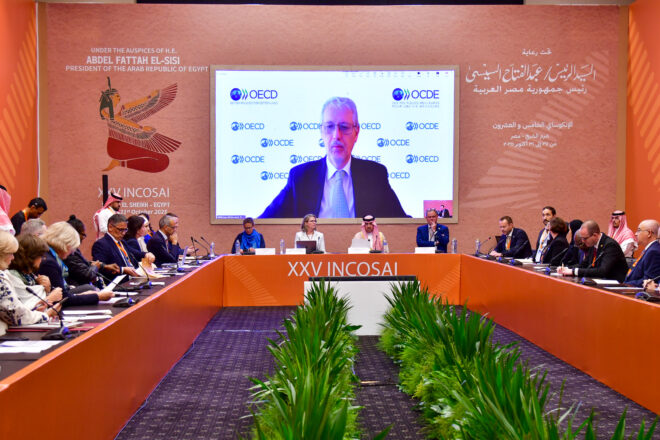
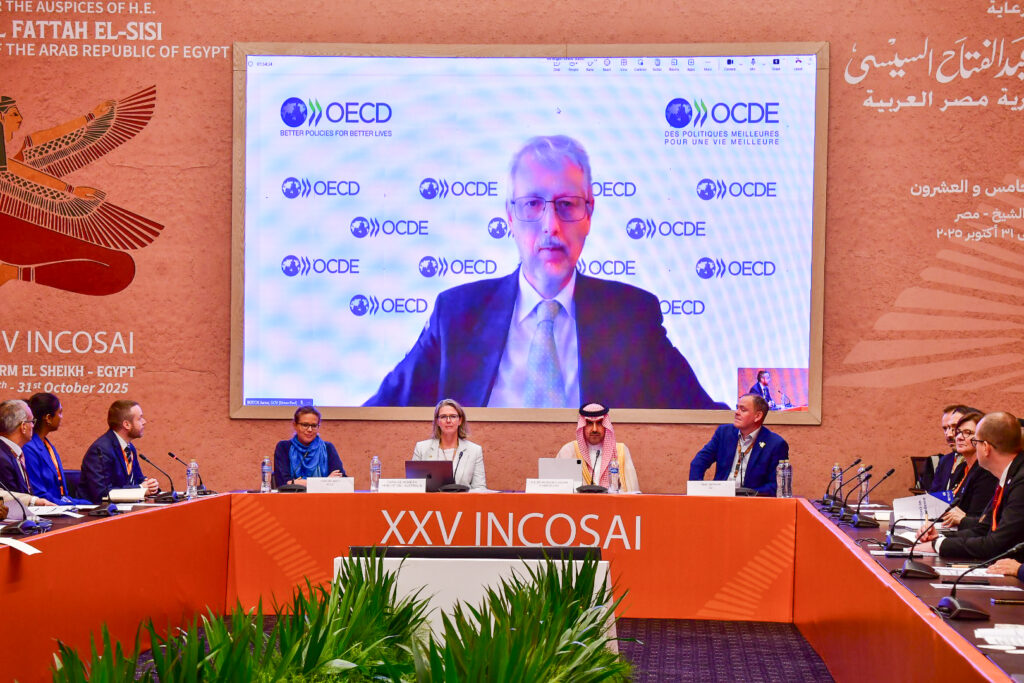
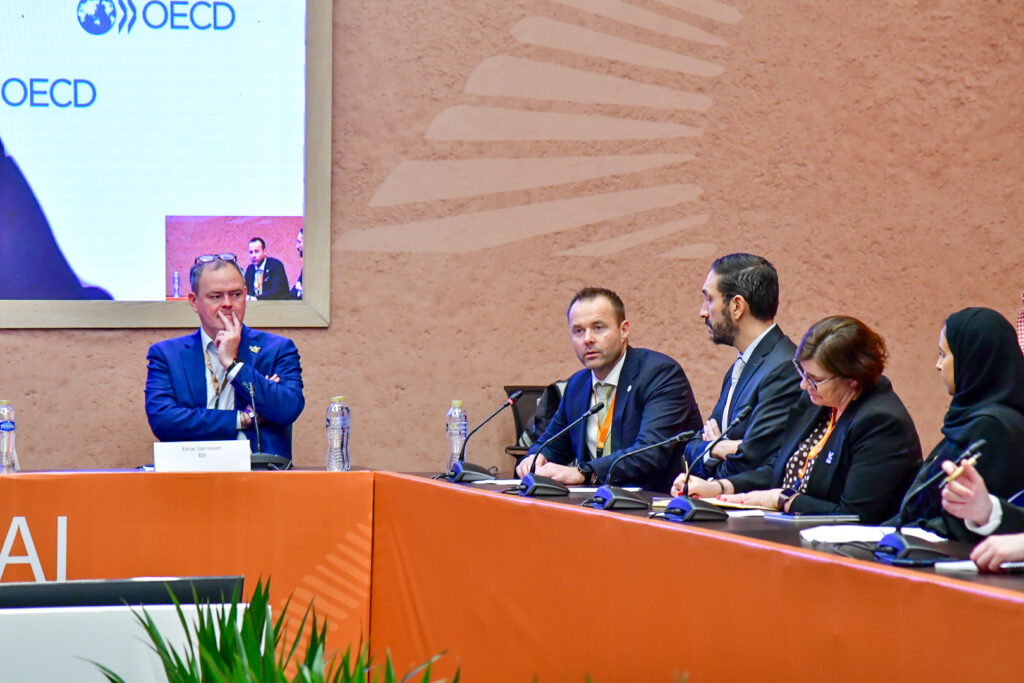
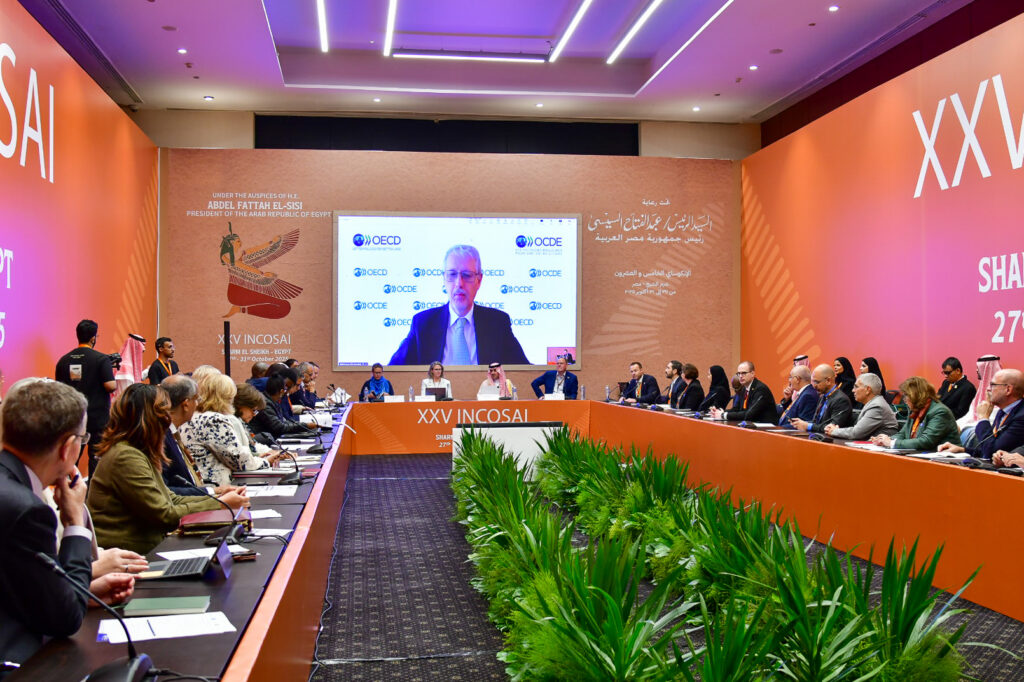
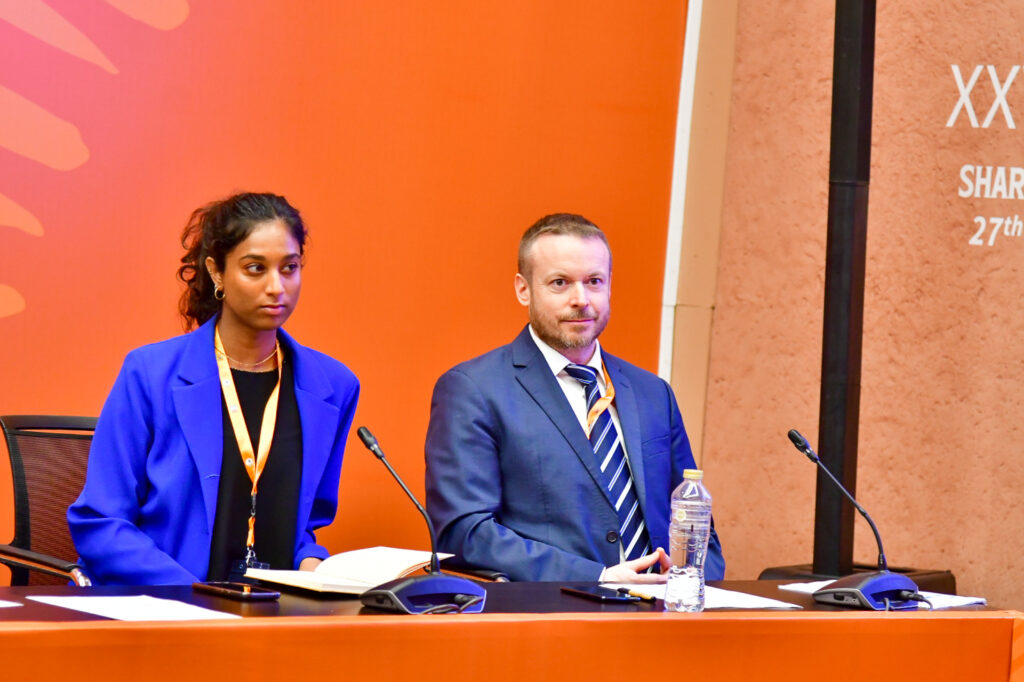
During a side event at the XXV INCOSAI, the IDI–OECD Global Project on SAI Independence presented its initial results to the wider INTOSAI community. The session included contributions from János Bertók (OECD), Einar Gørrissen (IDI), H.E. Dr. Alangari (Chair of the INTOSAI PFAC), Dr. Caralee McLiesh (Auditor‑General of Australia), and Franziska Spörri (SECO, Switzerland). They discussed the early evidence gathered through the project and reflected on how Supreme Audit Institutions (SAIs) operate within their national accountability systems.
Speakers noted that the project’s initial findings highlight three key messages. First, assessing SAI independence requires examining both formal legal frameworks and informal practices. Second, SAIs should be viewed as integral components of a broader fiscal and accountability ecosystem. Third, international cooperation remains essential to mitigating external pressures on SAIs.
Stemming from these overarching messages, several points raised by the panelists during the session merit particular emphasis.
SAIs Within the Accountability Ecosystem
The discussions emphasized that SAIs work under formal mandates but experience their independence through daily interactions with other institutions. How SAIs relate to parliaments, executives, prosecutors, the judiciary, citizens, and civil society influences how they exercise their responsibilities. SAIs are therefore part of an ecosystem in which many actors contribute to the oversight of public resources.
Independence, Credibility, and Public Trust
A recurring topic during the session was how SAIs can support the strength of the accountability ecosystem. The project’s early results suggest that a strong institutional reputation is an important factor. When SAIs are known for professional conduct, transparency, and integrity, they gain public trust. This trust helps protect their mandate and reinforces their independence.
Independence and credibility influence each other. Independence supports objective audit work, which builds credibility. Credibility helps an institution resist undue influence, which protects independence. This dynamic strengthens not only the SAI but also the wider accountability system.
Leadership is central to this process. Appointment procedures, terms of office, and behaviour of SAI leaders and staff directly affect how independence is applied in practice. Leaders and staff represent the institution and shape public perceptions. Their adherence to ethical standards influences how other actors treat the SAI and how the SAI carries out its mandate.
SAIs’ Work as Diagnostic Tools
The session also discussed the idea of SAIs work as a diagnostic instrument. Through audits, SAIs can identify gaps in oversight, weaknesses in internal controls, or areas where legal and institutional capacities may need development. Their reports can indicate when parliamentary oversight needs more follow‑up or when executive bodies require stronger systems.
In this sense, SAIs help map the condition of the accountability system. When SAIs function well, their work informs improvements across the system. Their insights can support legal reform, adjustments to institutional roles, and ongoing policy dialogue aimed at strengthening accountability.
Looking Ahead: Publication Timeline and Next Steps
The project’s initial findings have shaped the upcoming IDI–OECD report on SAI independence, which will be finalized in May 2026. The report will include recommendations for SAIs, as well as for the Executive and Legislative branches. This reflects the understanding that independence is not achieved by SAIs alone but depends on how other institutions respect and support their mandate.