Tag: Featured Articles

Filter By:
Sort By:
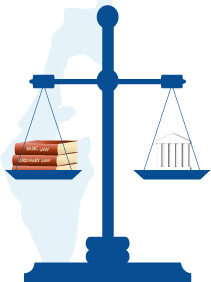
More Effective Audit Work: Insights from Behavioral Economics

The behavioral economics field has developed valuable insights on when (and how) people make systematic errors in decision-making due to cognitive biases and fallacies. These insights can deepen the understanding of various factors affecting decision-making and are particularly important to audit work, which aims to…

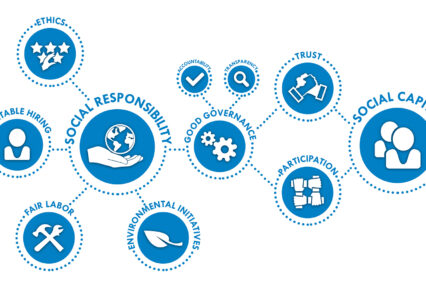
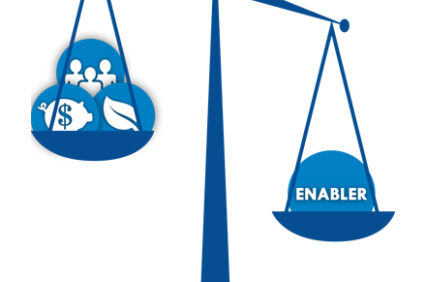
Auditing SDG Implementation: A Wheel of Balance

Sustainable development—development that meets present needs without compromising the ability to meet future needs—can be divided into three integrated dimensions: economic, environmental and social. These aspects must be balanced if we are to achieve the United Nations (UN) “future we want.” How is such balance achievable and what does it look like conceptually? This article discusses…

Information Technology: Producing More Effective Audits and Reports

Information Technology (IT) audits are often complex, and audit outcomes tend to result in technical reports written in technical language. As noted in International Standards of Supreme Audit Institutions (ISSAI) 5300, very few people find such lengthy and complicated documents appealing or understandable. The Supreme Audit Institution (SAI) of Argentina has…

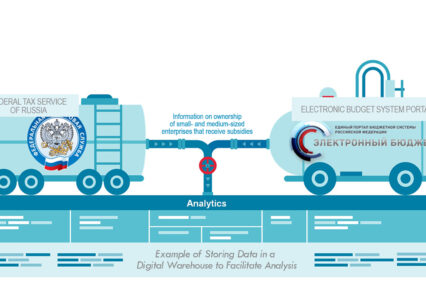
Conducting Remote Audits Using Integrated Information Analysis Systems

The Accounts Chamber of the Russian Federation (Accounts Chamber), Russia’s Supreme Audit Institution (SAI), recently began using an Information Analysis System (IAS) integrated with government entity databases to conduct remote audits. The SAI’s experience underscores benefits to using such an approach and identifies…

Data, Auditing & Strategy: Unlocking Knowledge in Capitalizing on Opportunities, Addressing Challenges

Data has become a prominent auditing buzzword—as revealed through the increased use of the term throughout the global accountability community to include the International Organization of Supreme Audit Institutions (INTOSAI) and its member Supreme Audit Institutions (SAIs). While data opens up new possibilities for SAIs…

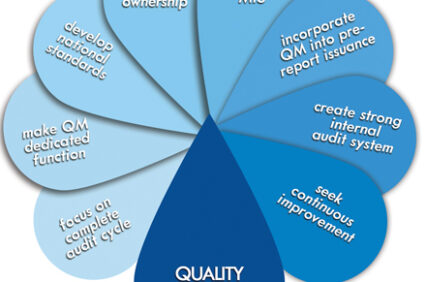
Improving Quality Through Effective Management Frameworks

Controlling and assuring quality can be challenging, particularly in environments where resources are limited, since quality involves systems and processes aimed at ensuring SAIs issue reports that are appropriate and in accordance with applicable laws and regulations. Creating a central, dedicated quality office is essential—it allows a SAI to focus on…

Visual Stories that Transform Audit Speak into Engaging, Understandable Reports

Auditors love words! Having served as an auditor for more than 10 years, it seems that words tend to be a source of comfort and confidence, and we, as auditors, rely on words when attempting to get our message across to readers. At the same time, we realize those reading our reports are probably suffering from…