Citizen-Centered Performance Auditing: Lessons from Brazil’s Federal Court of Accounts

Authors: Klauss Henry Nogueira, Luiz Gustavo Gomes Andreoli, and Salvatore Palumbo, Brazilian Federal Court of Accounts (TCU), Brazil
1. Introduction: When Audits Fail to Capture What Really Matters
Supreme Audit Institutions (SAIs) have increasingly expanded their role beyond legal compliance and administrative regularity to improve public policies and the quality of services delivered to society. Despite this evolution, many audits still focus on bureaucratic processes, governance structures, and institutional indicators, without fully capturing how public-sector shortcomings affect citizens’ daily lives.
This challenge has gained growing attention within the international auditing community. INTOSAI and regional organizations such as OLACEFS have emphasized the importance of audits that focus on social impact, public value, and citizens’ perspectives when assessing government performance.
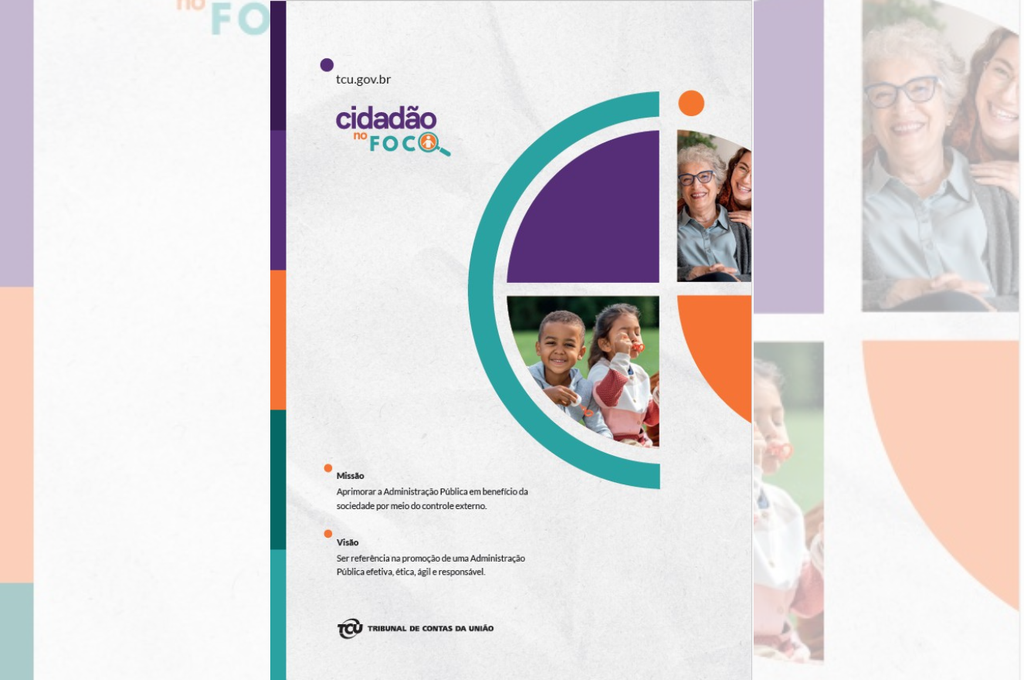
In this context, the Brazilian Federal Court of Accounts (TCU) developed the guide Auditing with the Citizen in Focus in 2025. Its central premise is that understanding public problems from the citizens’ perspective helps make audits more relevant, effective, and aligned with society’s real needs.
2. The “Citizen in Focus” Guide: An Impact-Oriented Audit Approach
To translate the principles of social impact and citizen focus into practical audit methods, the Brazilian Federal Court of Accounts (TCU) developed the guide Auditing with the Citizen in Focus in 2025. The guide helps audit teams identify public-sector problems from the perspective of citizens affected by government policies and services.
The approach is aligned with INTOSAI-P 12, which states that Supreme Audit Institutions should contribute to “making a difference to the lives of citizens” by strengthening accountability, transparency, and the generation of public value. The guide broadens the traditional focus of audits by incorporating active listening, user experience analysis, and assessment of policy impacts.
At the core of the approach is the recognition that complex public problems cannot be fully understood through aggregated indicators, document reviews, or formal governance assessments alone. The guide therefore combines quantitative and qualitative evidence while promoting closer engagement among auditors, public managers, specialists, and citizens.
The methodology organizes the audit process into four stages: (1) understanding the problem from the citizen’s perspective; (2) assessing the government’s response; (3) developing evidence-based solutions; and (4) monitoring whether interventions have improved citizens´ lives. This framework partially shifts the focus of external oversight—from administrative processes to citizens’ experiences and policy outcomes.
While preserving established audit techniques, the approach expands auditors’ analytical toolkit by citizen interviews, complaint analysis, user journey mapping, empathy maps, collaborative recommendation workshops, and citizen-centered monitoring. These enhance the social relevance, legitimacy, and transformative potential of performance audits.
3. Putting the Approach into Practice: Citizen-Centered Audit Experiences
Following the publication of the Auditing with the Citizen in Focus guide, several audit teams at the Brazilian Federal Court of Accounts (TCU) began applying the approach to audits of public policies and services. Although still at an early stage, these experiences have shown how considering citizens’ perspectives can influence the definition of audit issues, evidence collection, recommendations, and results monitoring.
The cases presented below reflect different levels of application of the approach. Despite their distinct contexts, they share a common objective: bringing external oversight closer to the experiences of those affected by public policies. Citizen engagement helped reveal problems not captured by government indicators, deepen understanding of policy outcomes, and strengthen mechanisms for monitoring effectiveness over time.
Together, these experiences show the evolution of the citizen-centered approach: from incorporating citizens´ perspectives into problem identification to assessing policy impacts and establishing mechanisms to continuously monitor outcomes perceived by society.
Case 1 – Individual Microentrepreneurs (MEIs): Bringing the Citizen Perspective into the “Brazil Cost” Audit
One of the first applications of the citizen-centered approach was a performance audit focused on the challenges faced by Individual Microentrepreneurs (MEIs) in Brazil. The audit was part of TCU’s strategy to address the so-called Brazil Cost—the set of bureaucratic, economic, and structural barriers that increase the cost of doing business and hinder productive activity in the country.
From the planning stage, the audit team sought to understand how entrepreneurs perceived regulatory and administrative obstacles. Rather than relying solely on institutional indicators and formal processes, the audit directly policy users. The methodology combined document and data analysis with interviews, participation in events aimed at microentrepreneurs, and surveys across different regions of Brazil.
This approach changed the traditional audit planning process. Instead of starting from administrative procedures and institutional indicators, the team first identified barriers entrepreneurs considered most significant to their businesses.
With support from TCU’s Institutional Relations Secretariat, the team participated in events for at microentrepreneurs and administered 262 questionnaires across Brazil. These interactions identified challenges often overlooked in traditional analyses, including excessive bureaucracy, weak coordination among public agencies, and difficulties accessing information.
Entrepreneurs’ perspectives also influenced how audit results were communicated. The report used accessible language and highlighted how identified problems affected the daily lives of microentrepreneurs, illustrating this impact with evidence collected during the audit.
The approach also redefined audit priorities. Beyond government coordination and policy monitoring, the audit emphasized insufficient engagement with microentrepreneurs, limited dissemination of available initiatives, and difficulties understanding regulatory requirements. This shift expanded the audit’s focus from predominantly administrative concerns to challenges directly experienced by policy users.
The experience also highlighted methodological challenges. Collecting and analyzing citizens’ perceptions required adapting audit techniques, engaging external stakeholders, and investing additional effort to transforming qualitative evidence into reliable findings. Nevertheless, it showed that systematically incorporating citizens’ perspectives enhance auditors’ ability to identify relevant problems, understand policy effects, and develop recommendations better aligned with society’s needs.
Case 2 – Aquaculture: Understanding Barriers Through Producers’ Experiences
Another application of the citizen-centered approach was a performance audit of aquaculture governance in Brazil. The audit identified key obstacles to the sector’s sustainable development, particularly in those related to project regularization, official information, and reducing informality among producers.
Although aquaculture has grown significantly and has considerable productive potential, many producers still face difficulties accessing public policies, credit, technical assistance, and regulatory processes. Because the sector consists largely of small-scale, often informal producers, the audit combined institutional and regulatory analysis with an assessment of producers´ experience in accessing public policies.
The methodology combined traditional audit tools with interviews, surveys, and field visits, alongside document reviews, risk assessments, and governance analyses.
The approach broadened the audit focus by incorporating producers’ perspectives on the main barriers to aquaculture.
Engagement with producers revealed barriers beyond those initially identified, including delays in regulatory processes, legal uncertainty, excessive bureaucracy, and limited access to regulatory information. Producers’ perspectives also highlighted the effects of institutional instability and fragmented governance on local economic activity.
Stakeholder analysis, expert panels, and direct observation improved understanding of policy outcomes and reduced the risk of limiting the audit to formal assessment of rules, structures, and administrative processes.
The experience showed that, in sectors dominated by small producers and highly dependent on public policies, direct engagement strengthens performance audits by identifying operational bottlenecks, understanding territorial impacts, and producing assessments that better reflect local realities. It also highlighted challenges related to stakeholder diversity, limited official data, and balancing qualitative and quantitative evidence.
Case 3 – Professional Councils: Transparency, Continuous Monitoring, and the Citizen Commitment Initiative
A third experience involved a performance audit of Brazil’s federal professional regulatory councils, focusing on the oversight exercised by national councils of their regional counterparts. The audit assessed governance, integration, consistency, and transparency in professional regulation.
Although initially structured around governance and oversight, the audit evolved to incorporate social effectiveness and citizen participation. It recognized that professional regulation directly affects the quality and safety of services provided to society.
The methodology included surveys, institutional maturity assessments, and indicators on regulation, oversight, technological integration, and transparency. It also incorporated mechanisms to assess effectiveness from society´s perspective.
One of the audit’s most innovative outcomes was the proposed Citizen Commitment Initiative.
The initiative proposed effectiveness indicators developed with societal participation, combined with continuous monitoring and public disclosure of results. Rather than focusing only on compliance with audit recommendations, it sought to connect external oversight more closely to society’s perception of professional regulation outcomes.
TCU authorized continuous monitoring through periodic surveys and public disclosure of indicators via a dedicated dashboard. The audit also proposed a working group to institutionalize the Citizen Commitment Initiative, including monitoring, evaluation, and effectiveness targets related for audited policies and services.
Unlike the previous cases, where citizen participation focused on collecting perceptions during audit, this experience extended the approach by creating permanent mechanisms to monitory the results of audits from society’s perspective.
The experience also highlighted challenges in defining effectiveness indicators, ensuring representative participation, and balancing institutional independence, operational feasibility, and societal expectations. Nevertheless, it demonstrated the potential to enhance transparency, strengthen social accountability, and incorporate continuous monitoring of impacts as perceived by society.
4. Lessons Learned and Challenges of a Citizen-Centered Approach
The early implementation of the Auditing with the Citizen in Focus guide has highlighted the benefits and challenges of incorporating citizens’ perspectives into performance audits. Across different contexts, the approach helped audit teams better understand public-sector problems, connect audit work to people’s lived experiences, and produce assessments that better reflect the real effects of government actions.
One of the main benefits was identifying issues unlikely to emerge from document reviews, institutional indicators, or formal governance assessments alone. Interviews, surveys, field visits, direct observation, and other listening mechanisms helped reveal barriers faced by citizens in their daily interactions with public services, particularly in situations characterized by excessive bureaucracy, fragmented institutional arrangements, limited access to information, and service delivery challenges.
The cases also showed that a citizen-centered perspective can influence audit questions, risk prioritization, and recommendations. In several instances, administrative shortcomings came to be understood through their impact on citizens, entrepreneurs, producers, and users of public services users.
Another lesson relates to communication. Accessible language, practical examples, and transparency mechanisms helped bring audit results closer to non-specialized stakeholders, strengthening audit legitimacy and supporting social accountability.
The experiences highlighted important methodological challenges. Collecting and analyzing qualitative evidence requires audit practices while ensuring representative participation, validating information, and balancing qualitative and quantitative evidence. Audit teams also faced constraints related to time, resources, and the skills needed for more intensive engagement with citizens and stakeholders.
Another challenge involves translating citizens’ perspectives into objective audit criteria and measurable effectiveness indicators. While engagement with policy users expands auditors’ understanding of public-sector problems, further methodological development is needed to integrate these insights into audit planning, execution, and follow-up.
5. Conclusion
As public policies become more complex and expectations of government effectiveness grow, Supreme Audit Institutions face increasing pressure to demonstrate not only compliance and accountability, but also tangible contributions to improving citizens’ lives.
Overall, the results suggest that a citizen-centered approach can strengthen impact-oriented audits, enhance public value, and bring external oversight closer to society’s needs. Rather than replacing traditional methods, it complements them with tools that make performance audits more relevant, understandable, and responsive to citizens’ realities.
TCU’s experience with the Auditing with the Citizen in Focus guide illustrates how incorporating citizens’ perspectives can help Supreme Audit Institutions produce audits that are not only technically sound, but also more meaningful to society. As SAIs seek to maximize the public value of their work, citizen-centered auditing offers a practical way to make audit results more relevant, impactful, and aligned with the needs of the people they ultimately serve.
References
- Brazilian Federal Court of Accounts (TCU). Auditing with the Citizen in Focus: A Guide for Auditors. Available at: https://portal.tcu.gov.br/publicacoes-institucionais/cartilha-manual-ou-tutorial/fiscalizando-com-o-cidadao-no-foco-um-guia-para-auditores/
- Brazilian Federal Court of Accounts (TCU). TCU Identifies Weaknesses in Actions to Support Microentrepreneurs and Reduce the Brazil Cost. Available at: https://portal.tcu.gov.br/imprensa/noticias/ha-falhas-em-acoes-para-apoiar-microempreendedores-e-reduzir-o-custo-brasil-diz-tcu
- Brazilian Federal Court of Accounts (TCU). Audit Examines Brazil’s Aquaculture Sector. Available at: https://portal.tcu.gov.br/imprensa/noticias/auditoria-analisa-atividade-pesqueira-do-brasil
- Brazilian Federal Court of Accounts (TCU). Audit Examines Coordination Among Professional Councils. Available at: https://portal.tcu.gov.br/imprensa/noticias/auditoria-analisa-coordenacao-entre-conselhos-profissionais
- INTOSAI. INTOSAI-P 12 – The Value and Benefits of Supreme Audit Institutions: Making a Difference to the Lives of Citizens. Available at: https://www.issai.org/pronouncements/intosai-p-12-the-value-and-benefits-of-supreme-audit-institutions-making-a-difference-to-the-lives-of-citizens/