Author: Jade Quarrell, Assistant Director General, Professional and Relevant SAIs Department, INTOSAI Development Initiative
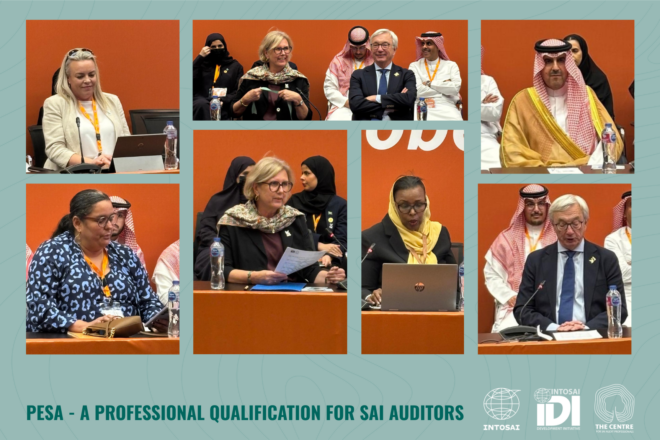
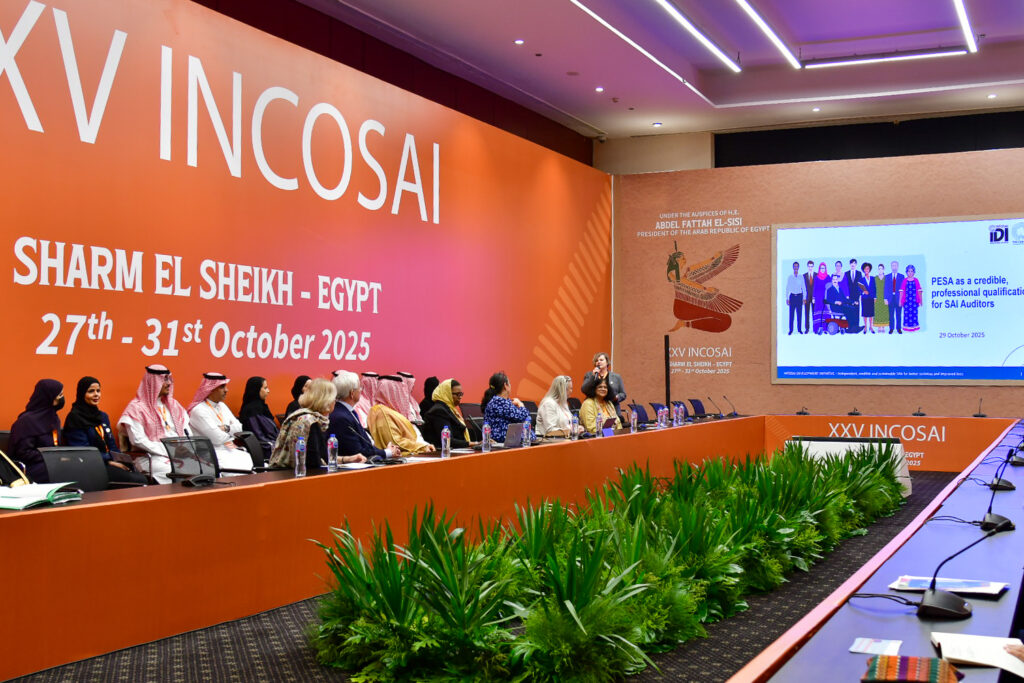
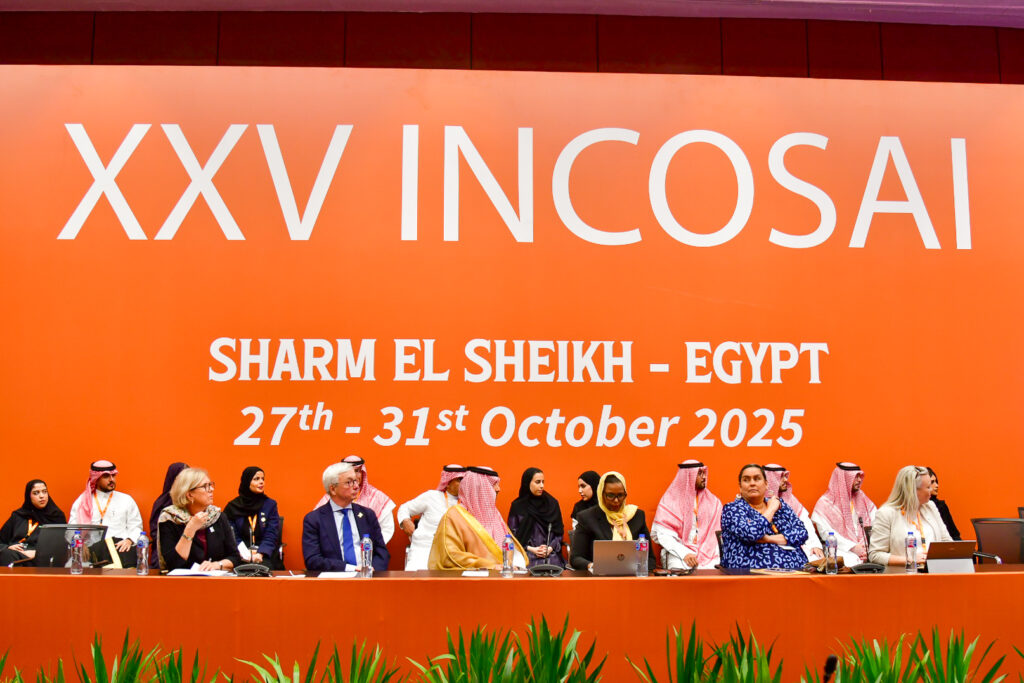
At the XXV INCOSAI, a dedicated side event celebrated INTOSAI’s formal recognition of the Professional Education for Supreme Audit Institution (SAI) Auditors (PESA) qualification, highlighted the launch of INTOSAI co-branding and the Arabic version of the qualification, and supported a key motion at INCOSAI. The INTOSAI community came together to support PESA in its journey, including Supreme Audit Institutions, (SAIs), experts, and partners who had contributed to professionalising public sector auditing.
Source: INTOSAI Journal
The event marked a defining milestone in the professionalisation of public sector auditing. Opening the event, Mr. Karl Eirik Schjøtt-Pedersen, Chair of the INTOSAI Development Initiative (IDI) Board, emphasised that in today’s rapidly changing governance landscape, the credibility and impact of SAIs depends on the competence and professionalism of auditors. Referring to INTOSAI’s adoption of ISSAI 150 on Auditor Competence, he described PESA as a transformative mechanism to operationalise this standard.
“PESA is more than a qualification, it is a structured pathway toward professionalisation,” said Mr. Schjøtt-Pedersen. “Built on a comprehensive competency framework, it defines clear learning outcomes, integrates education with work experience, includes rigorous assessments, and promotes continuing professional development.”
Earlier in the INCOSAI week, the INTOSAI Governing Board had approved a motion recognising PESA and supporting IDI’s pursuit of external recognition and possible accreditation. The motion was subsequently endorsed at INCOSAI XXV, formally stating:
“INTOSAI recognises IDI’s Professional Education for SAI Auditors (PESA) as a valuable professional qualification for SAI audit professionals and supports IDI’s efforts for external recognition and exploration of possible external accreditation to enhance the professional credentials of the PESA qualification.”
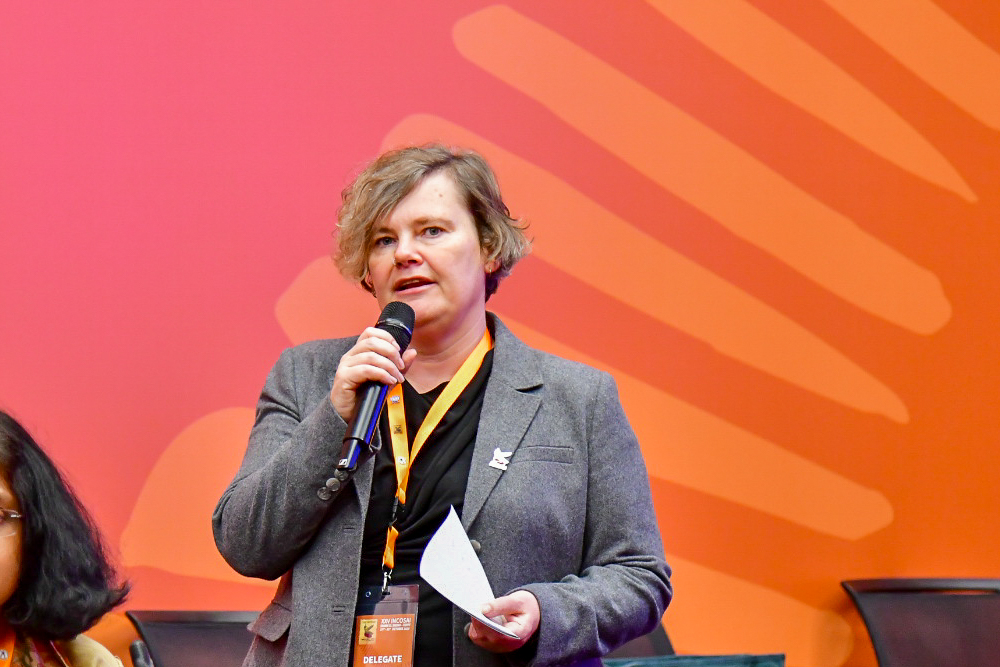
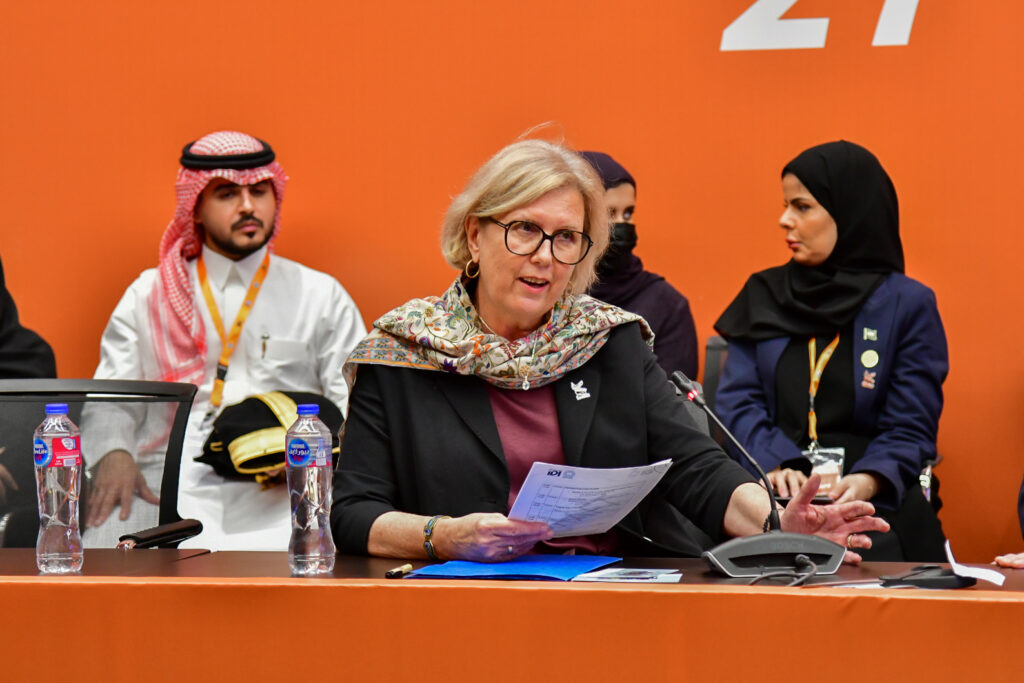
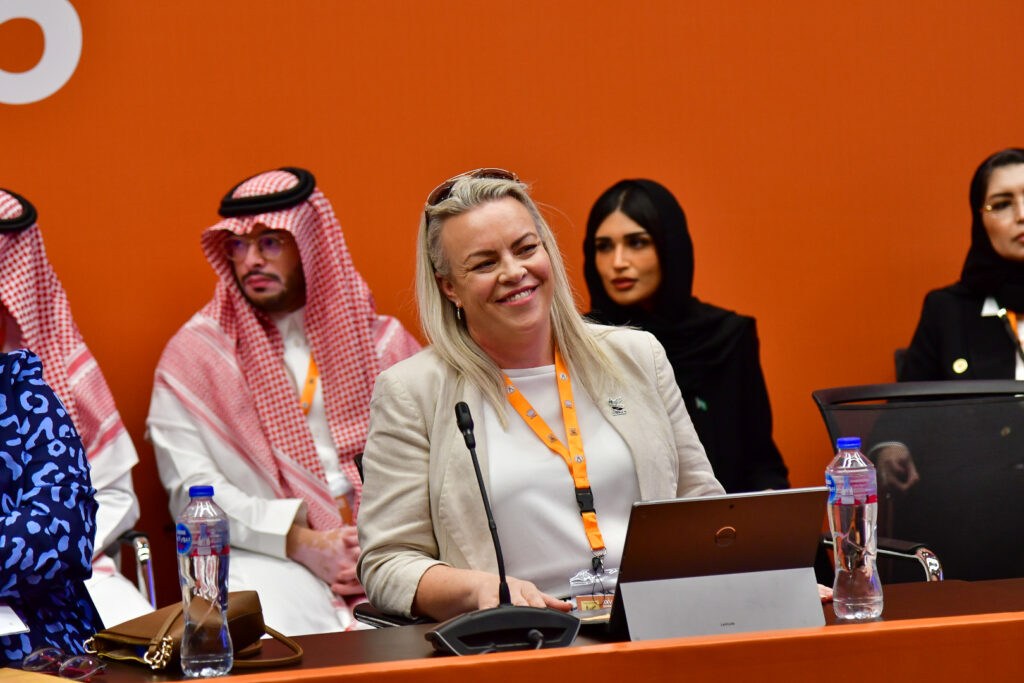
Jade Quarrell, Assistant Director General, INTOSAI Development Initiative. Source: INTOSAI Journal
The endorsement represented a significant step in positioning PESA among global professional qualifications and demonstrated collective commitment across the INTOSAI community to strengthening auditor competence. The motion was echoed in the Sharm El-Sheikh Declaration representing one of the outcomes of the Congress.
To bolster visibility of PESA and its INTOSAI recognition, Dr. Margit Kraker, Secretary General of INTOSAI, unveiled the INTOSAI co-branding of PESA. The co-branding significantly enhanced the credibility and visibility of the qualification across the SAI community.
“PESA will enhance the credibility and reputation of SAIs and create professional growth opportunities for all SAI auditors. I am particularly pleased that INTOSAI now has a professional pathway for SAIs and auditors who may not have access to professionalisation opportunities in their local context. This ensures that we leave no SAI behind.” said Dr. Kraker before cutting the ribbon with Mr. Schjøtt-Pedersen.
Dr. Margit Kraker, Secretary General of INTOSAI. Source: INTOSAI Journal
Launch of PESA Arabic
The side event also marked the official launch of the Arabic version of PESA. Dr. Hussam Alangari, President of the SAI of Saudi Arabia, highlighted the importance of linguistic accessibility in broadening participation and ensuring inclusivity within the global SAI community. He was joined by resource people from Saudi Arabia and Tunisia contributing to the conversion of PESA to Arabic for the official ribbon cutting.
Together, the recognition of PESA, the unveiling of INTOSAI co-branding, the launch of the Arabic version, and strong regional endorsements reflected a shared determination to shape a competent, ethical, and future-ready SAI audit profession worldwide.
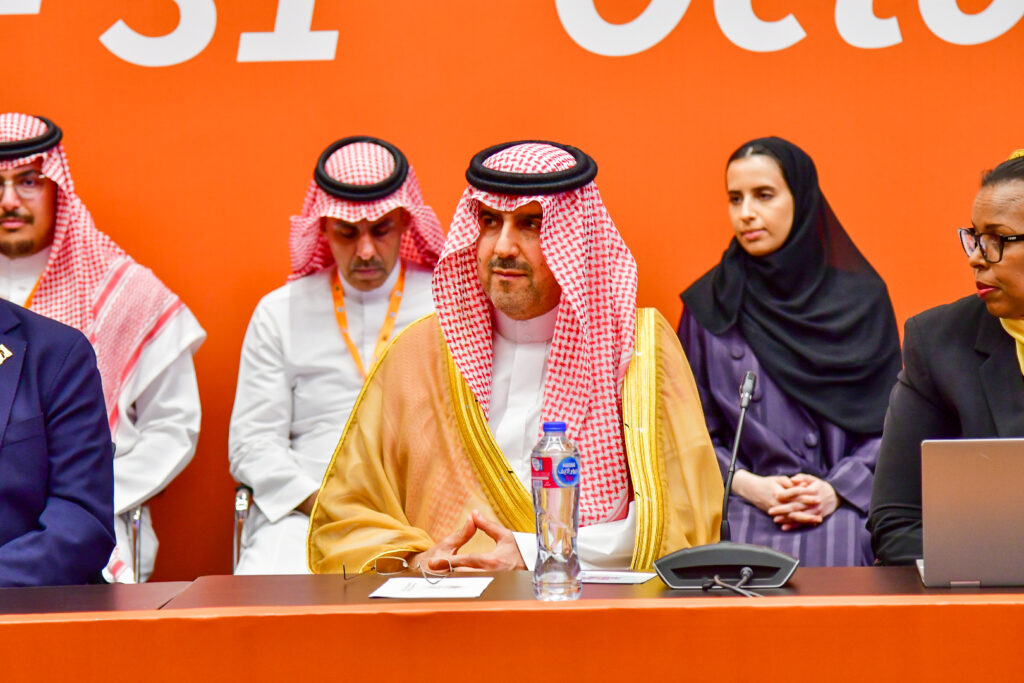
Dr. Hussam Alangari, President of the SAI of Saudi Arabia. Source: INTOSAI Journal
PESA for All
Ms. Itzel Anai Palacios from the SAI of Honduras spoke about the importance of professional certification in strengthening the credibility of SAIs. She highlighted the hard work and dedication invested by the SAI supporting nearly 100 SAI auditors through the PESA education and the completion of their Initial Professional Development Portfolios (IPDP).
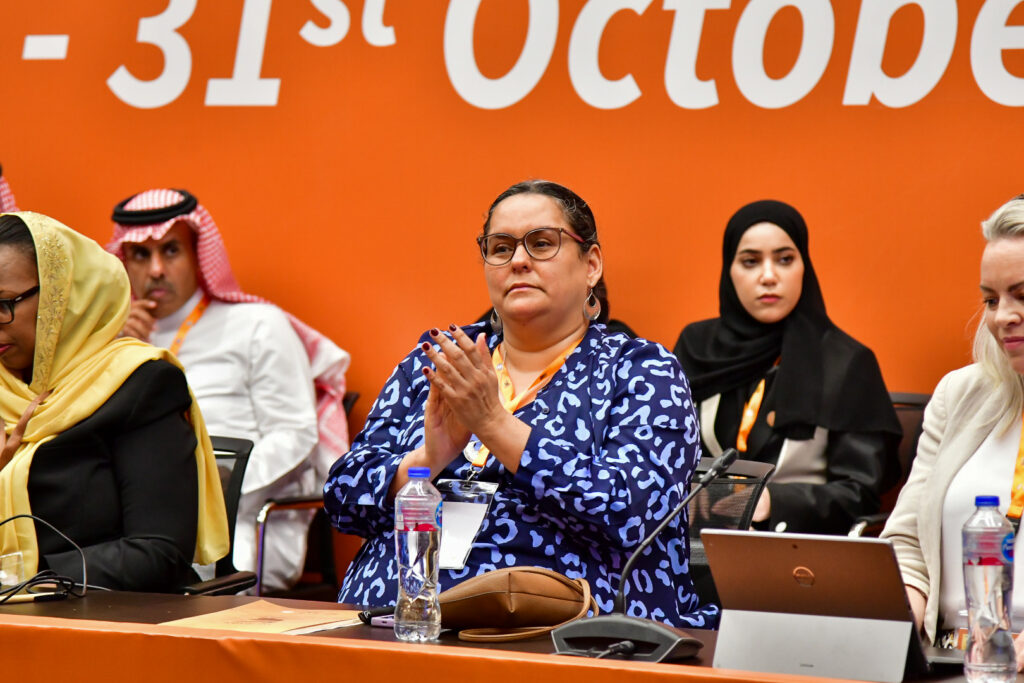
Itzel Anai Palacios, Presiding Magistrate of the Superior Court of Accounts (Tribunal Superior de Cuentas (TSC)) of Honduras. Source: INTOSAI Journal
“This is a significant milestone that we are celebrating for SAI Honduras,” said Ms. Palacios. “We are grateful for the valuable support of the World Bank in covering examination fees, which has helped remove financial barriers and enabled broader participation in PESA.”
Ms. Ismahan Mahamoud, representing French speaking SAIs in Africa, CREFIAF (Conseil Régional de Formation des ISC d’Afrique Francophone Subsaharienne), underscored the strong need for a structured professional qualification in the region. She shared that CREFIAF had passed a motion supporting PESA and recognising its strategic importance for Francophone African SAIs, reinforcing regional commitment to the qualification and anticipation of the French version in 2026.
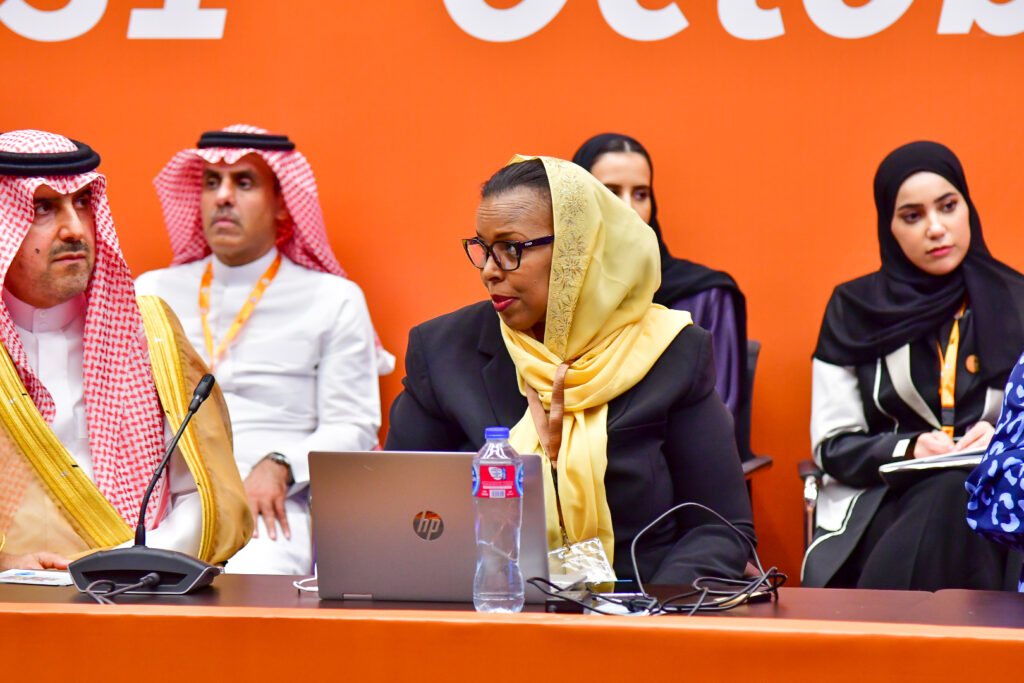
Ms. Ismahan Mahamoud, President of Djibouti’s Court of Accounts. Source: INTOSAI Journal
“There is an increasing complexity of performance auditing and the need for structured professional education,” said Ms. Deirdre Quaid, representing the Performance Audit Subcommittee (PAS). “PESA is a practical tool to strengthen competencies in line with ISSAI 150 and to support auditors in addressing emerging public sector challenges.”
Deirdre Quaid, Director of Audit, Office of Comptroller and Auditor General of Ireland. Source: INTOSAI Journal
A highlight of PESA is that through 170 hours of digital learning and an Initial Professional Development Portfolio, auditors gain both theoretical knowledge and practical, context-based experience tailored to the realities of the SAI environment.
PESA tells a story of inclusiveness and INTOSAI cooperation:
“Thanks to contributions from across the global community, PESA had reached over 2,800 auditors from 128 SAIs, with 500 graduates, more than half of them women,” Mr. Schjøtt-Pedersen stressed. “Accessible anytime and anywhere, the qualification is open to public sector auditors in English, Spanish, and now Arabic.”
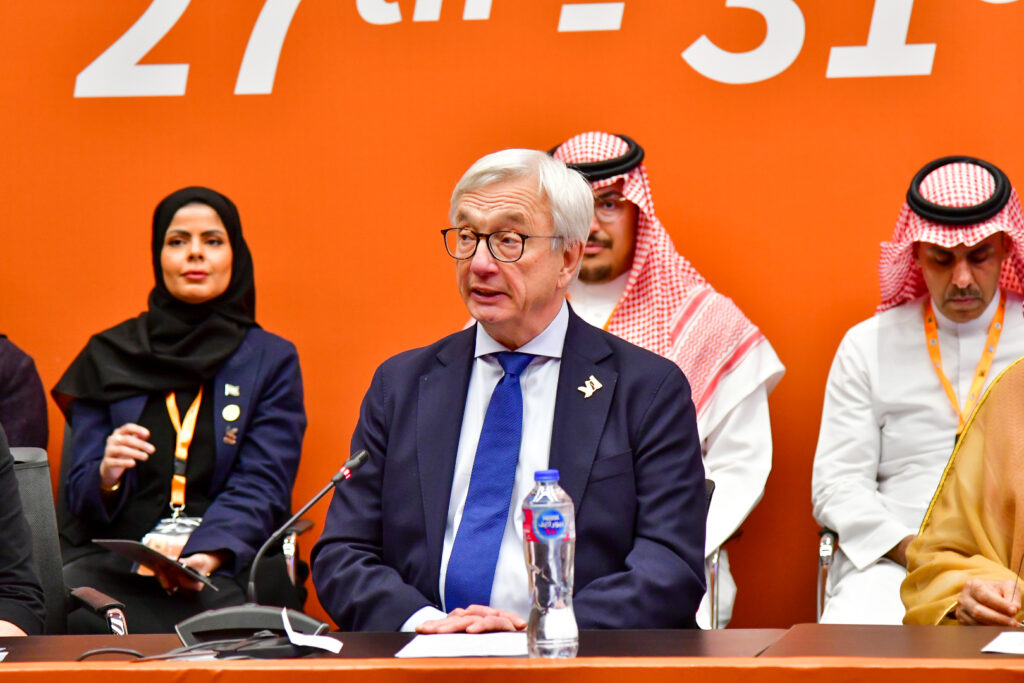
Mr. Karl Eirik Schjøtt-Pedersen, Auditor General of Norway. Source: INTOSAI Journal
The International Organization of Supreme Audit Institution’s (INTOSAI) Capacity Building Committee (CBC) workstream dedicated to supporting Supreme Audit Institutions (SAIs) operating in particularly challenging contexts recently organized a forum in Johannesburg, South Africa. Seven Auditors General (AG) who currently lead SAIs with experience working in such contexts…
The financial statement audit, aims to provide confidence in financial statements for users’ decisions. Financial statement auditors give an independent opinion on whether financial statements are presented in accordance with the designated framework and accurately represent an entity’s financial position and activity outcomes. As organizations have developed and grown in size, so has the complexity of their operations, which have greatly influenced financial statement audit approaches. These developments do not erase the previous methods; instead, it builds upon them to make the audit process more efficient and effective.
“Pacific Auditors Working Together”—the fundamental notion that shapes the Pacific Association of Supreme Audit Institutions (PASAI). Every year, PASAI members unite to strengthen relationships and share knowledge, ideas and experiences—truly working together—to benefit the lives of citizens. This year’s congress, PASAI’s 20th, took place in Funafuti, Tuvalu…