Mongolian National Audit Office and SAI Independence
By Magnaisuren Sandag, Auditor General of Mongolia and Bulten Batsaikhan, Mongolian National Audit Office
Abstract
This article presents the experience of the Mongolian National Audit Office (MNAO) in strengthening Supreme Audit Institution (SAI) independence in practice through institutional reform, stakeholder engagement, quality management, and digital innovation. While legal and constitutional guarantees form the foundation of independence, MNAO’s recent reforms demonstrate how independence is reinforced through transparent audit planning, public participation, consistent audit quality, and international cooperation. Drawing on milestones achieved between 2024 and 2025—including adoption of a stakeholder engagement strategy, implementation of ISSAI 140, organizational restructuring, and advanced digital transformation—the article illustrates how SAI independence can be safeguarded and enhanced in a rapidly changing governance environment.
Introduction
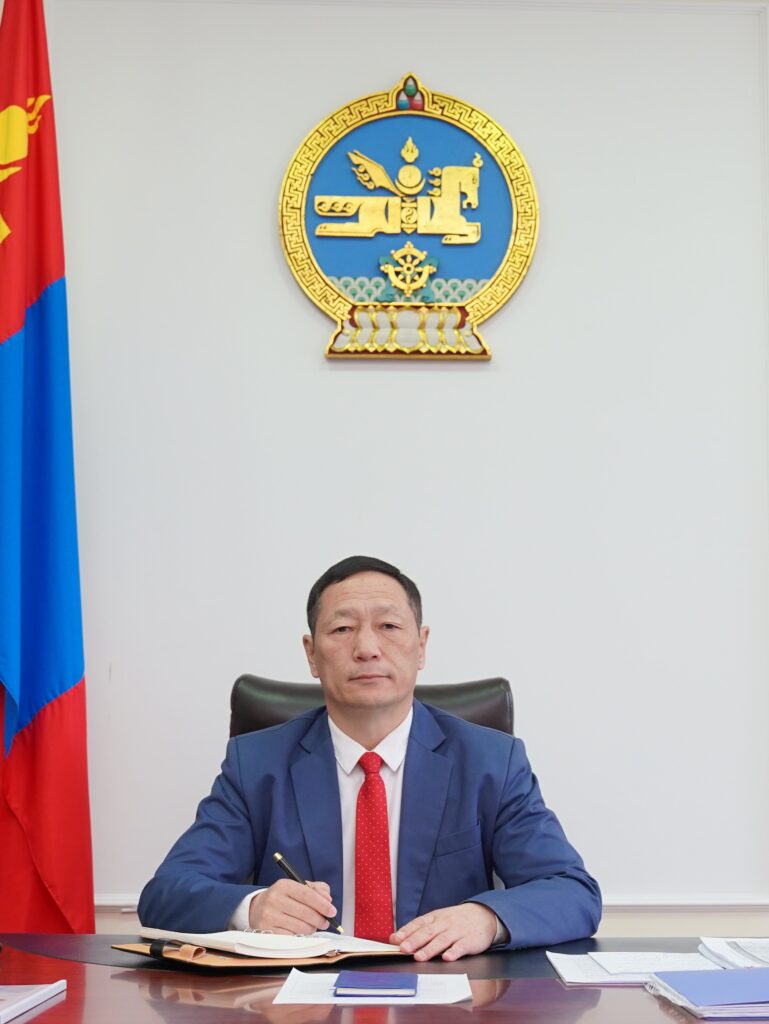
The Mongolian National Audit Office (MNAO) is the Supreme Audit Institution of Mongolia, mandated under the Constitution of Mongolia and the Law on State Audit to ensure accountability, transparency, and effective oversight of public finances and state assets. The origins of state audit in Mongolia date back to 1922, reflecting more than a century of institutional development shaped by political, economic, and social transformation.
Following Mongolia’s transition to democracy and a market economy in the early 1990s, the adoption of the Law on State Audit in 2003 marked a decisive step in institutionalizing modern state audit principles, including independence, professionalism, and accountability. Today, MNAO conducts financial, compliance, and performance audits at both central and subnational levels, supporting Parliament, public institutions, and citizens through independent oversight.
However, international experience demonstrates that SAI independence cannot be secured through legal provisions alone. Independence must also be protected in practice—through transparent audit topic selection, professional competence, consistent quality management, and strong public trust. In recent years, MNAO has pursued a comprehensive reform agenda aimed at reinforcing independence as a lived institutional reality.
Global Commitment to SAI Independence
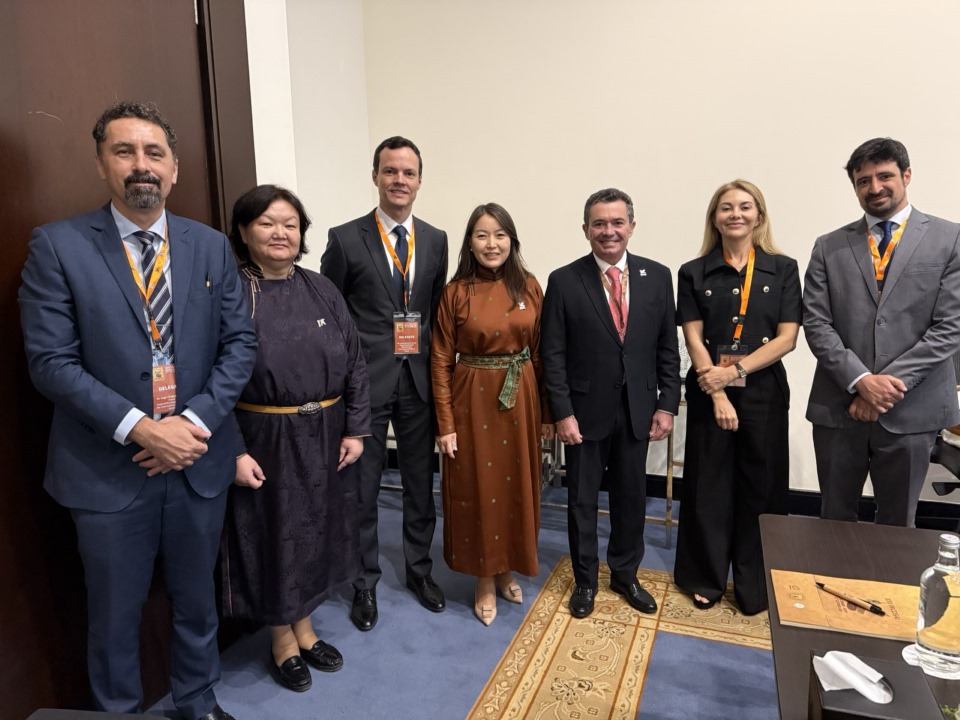
Mongolia’s reform efforts are closely aligned with global developments within the international audit community. At the 25th Congress of the International Organization of Supreme Audit Institutions (INTOSAI), held in Sharm El-Sheikh, Egypt, from 27 to 31 October 2025, delegates adopted the Sharm El-Sheikh Declaration—a collective commitment to strengthening SAI independence, professional competence, and audit impact.
The Congress emphasized innovation in auditing, ethical and responsible use of advanced technologies including artificial intelligence, and the role of SAIs in addressing financial and economic crises and contributing to the Sustainable Development Goals (2030). MNAO was represented by senior leadership, reflecting its active engagement in shaping the global audit agenda.
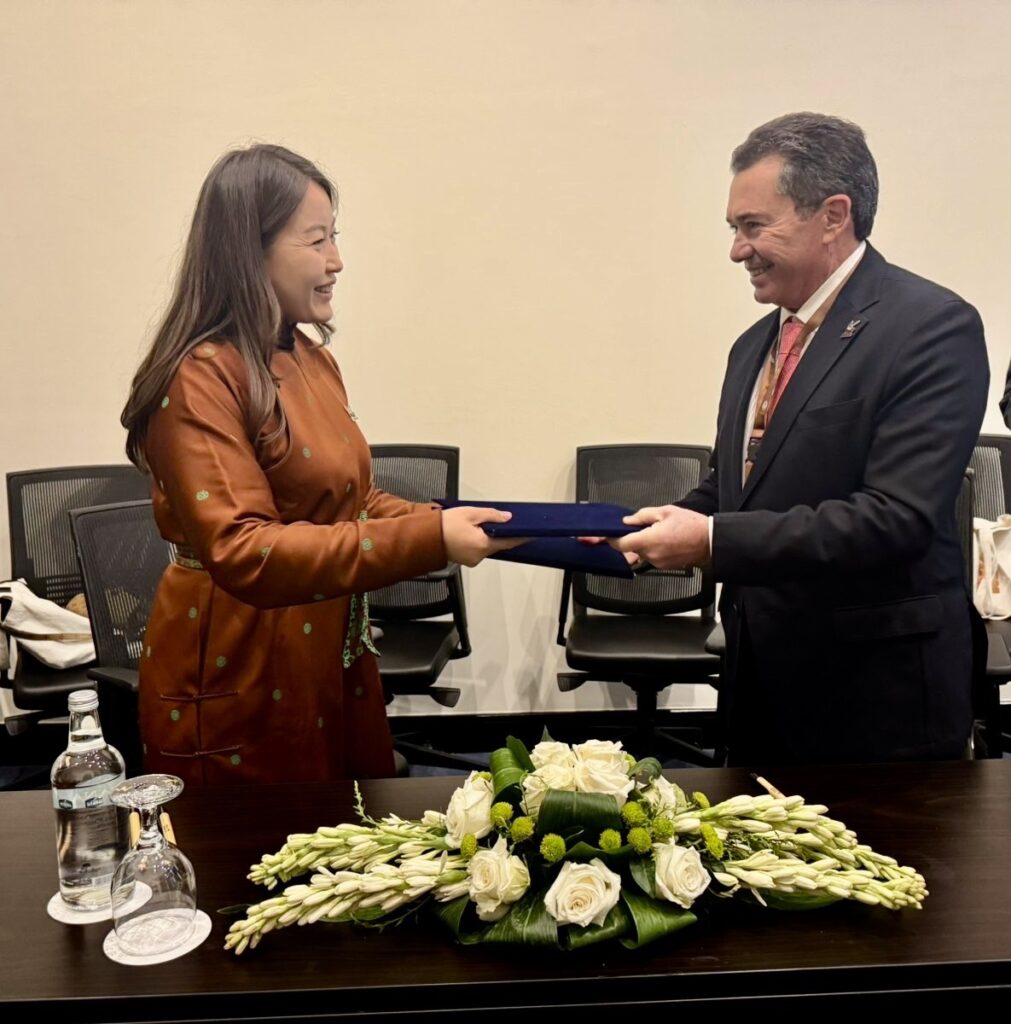
On the margins of the Congress, MNAO signed a Memorandum of Understanding with the Federal Court of Accounts of Brazil, chaired by the INTOSAI President. This cooperation enables Mongolia to utilize AI- and big data-based audit software developed by Brazil, reinforcing operational independence through enhanced analytical capacity and reduced reliance on external information sources.
Stakeholder Engagement as a Pillar of Independence
Rising Public Expectations
Public expectations regarding transparency, accountability, and effective use of public resources are steadily increasing. Citizens seek clear answers as to whether public policies serve the public interest and whether budgets and state assets contribute meaningfully to improving livelihoods.
MNAO recognizes that limited engagement with stakeholders may weaken audit relevance and societal trust, thereby indirectly affecting perceived independence. Accordingly, stakeholder engagement has been elevated as a strategic tool for reinforcing independence through legitimacy, transparency, and public value.
Key stakeholders include Parliament, Citizens’ Representative Khurals, government entities, audited organizations, citizens, civil society, media, and academic institutions.
Adoption of the Stakeholder Engagement Strategy (2025–2030)
In 2025, MNAO adopted a comprehensive Stakeholder Engagement Strategy aligned with its 2025–2030 Strategic Plan. At its core is Top Priority 1: Increasing public trust in state audit and strengthening the significance of public sector auditing.
Strategic Objective 1 focuses on conducting audits on issues of public interest that attract citizens’ attention and demand accurate, factual answers. This objective promotes openness in audit topic selection, transparent disclosure of audit results, and enhanced public oversight of audit follow-up.
The strategy reflects a shift from an inward-looking performance focus toward an audit model grounded in societal relevance—an essential dimension of independence in practice.
Public Participation in the Selection of Audit Topics
A critical element of safeguarding independence is ensuring that audit topic selection is transparent and grounded in public interest.
Use of the “11-11” Citizen Engagement Platform
Complaints and proposals submitted through the Government’s “11-11 Public Service and Citizen Engagement Center” were systematically analyzed and considered as potential audit topics. Analysis of submissions from 2022 to mid-2025 revealed increasing citizen concern regarding public services, particularly housing maintenance, water supply, heating, and electricity distribution.
Based on this evidence, the 2026 draft audit plan includes an audit on the readiness and effectiveness of Ulaanbaatar City’s heating supply system.
Digital Citizen Proposals via E-Mongolia
In 2025, MNAO introduced an online service allowing citizens to submit proposals for performance audit topics through the E-Mongolia platform. Between January and June 2025, 77 proposals were received, with submissions related to dividend distribution of “Erdenes Tavantolgoi” JSC accounting for 22.5% of proposals and selected as audit subjects.
These mechanisms strengthen independence by ensuring audit priorities reflect societal concerns rather than institutional or political pressure.

Quality Management and ISSAI 140
Operational independence is closely linked to audit quality and consistency. The revision of ISSAI 140 marked a shift toward a comprehensive, risk-based quality management system.
MNAO developed and approved an ISSAI 140 implementation plan for 2024–2025, including translation, validation, needs assessment, and institutional gap analysis. The assessment identified areas for strengthening governance arrangements, risk assessment, documentation, and leadership oversight.
Quality objectives and risks were defined at both organizational and engagement levels, integrating quality considerations into audit planning, execution, reporting, and follow-up. Practical guidance materials and capacity-building activities were introduced to ensure consistent understanding and shared responsibility for quality across the institution.
Organizational Reform Aligned with Core Functions
To further safeguard independence and efficiency, MNAO revised its organizational structure in June 2025. Under the new structure, over 80% of staff across the State Audit Organization perform audit-related functions. At headquarters, the proportion increased from 55.5% to 66.5%.
The reform reduced managerial layers, streamlined responsibilities, revised 121 job descriptions, and introduced standing committees to strengthen policy coherence and consistent implementation across central and subnational levels. These measures reduce internal fragmentation and enhance professional autonomy.
Digital Transformation and Independence
Digital transformation is a critical enabler of modern SAI independence. Through cooperation with Brazil, MNAO has begun localizing ChatTCU and CopilotTCU, AI-based systems supporting audit planning, document processing, verification, and analysis.
These tools enhance data accuracy, reduce audit timeframes, strengthen institutional knowledge management, and allow auditors to focus on strategic analysis rather than manual processing. By increasing analytical capacity and reducing reliance on fragmented information sources, digital transformation reinforces operational independence and audit credibility.
Conclusion: Independence as a continuous process
MNAO recognizes that safeguarding independence is a continuous process. Building on reforms implemented during 2024–2025, the institution is preparing a 2026–2030 Action Plan for Quality Objectives, integrated into annual and quarterly work plans.
By strengthening stakeholder engagement and institutionalizing a robust quality management system, MNAO aims to reinforce its independence in practice, enhance public trust, and ensure that audit results translate into tangible improvements in governance and public service delivery.