Championing Fiscal Accountability: How SAI Philippines Leads Global Public Debt Oversight and Pioneers Citizen Participatory Audits
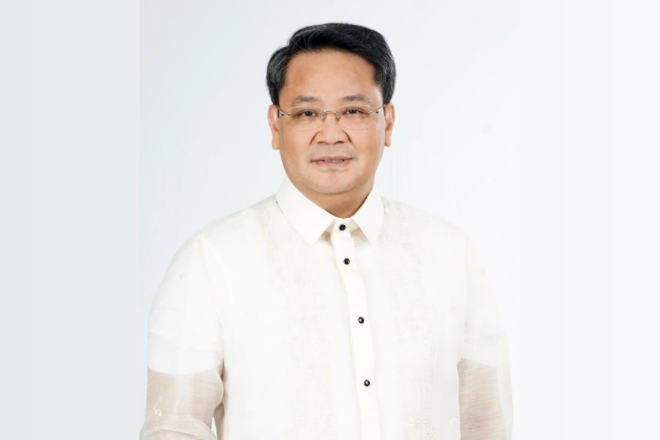
Author: Chairperson Gamaliel A. Cordoba, Commission on Audit of the Republic of the Philippines
Strong public financial oversight is indispensable to good governance. Financial audits, public debt audits, and citizen-centered mechanisms play essential roles in ensuring the accountability of public funds and protecting fiscal integrity. The Philippines offers a compelling example of how a Supreme Audit Institution (SAI) can lead globally by pioneering a major audit reform initiative and advancing collaboration to strengthen public debt oversight. Together, the Citizen Participatory Audit (CPA) and its Chairmanship of the INTOSAI Working Group on Public Debt (WGPD), highlight the Philippine Commission on Audit’s (COA) commitment to transparency, accountability, and public sector reform.
The CPA: A Philippine Innovation in Collaborative Governance
The 1987 Philippine Constitution provides the COA with the exclusive authority to define the scope of its audit and examination and establish the techniques and methods required for its audits. With this constitutional mandate, the COA designed the CPA as part of its transparency reforms, integrating civil society organizations, community leaders, and citizens directly into the audit process. Launched in 2012, the CPA stands as one of the most distinctive public accountability initiatives recognized worldwide to promote civic engagement.
Unlike traditional audits conducted exclusively by auditors, the CPA brings together citizens and COA teams to assess national and local government projects. This includes auditing barangay health centers, examining solid waste management programs, or reviewing the use of disaster funds. Citizens provide local knowledge and real-world context, while COA auditors lend technical expertise and professional standards.
This collaboration produces more grounded, credible, and community-centered audits. Agencies demonstrate greater openness to audit recommendations when findings emerge not only from auditors but also from the communities they serve. Over time, the CPA has strengthened institutional trust, promoted civic engagement, and enhanced overall accountability in governance.
The CPA’s measurable impacts include more timely audit recommendations, improved compliance, and reduced risks of inefficiency or corruption. It has given communities a direct voice in public expenditure oversight, demonstrating that accountability flourishes most when citizens are empowered participants.
The initiative has earned significant recognition: the Open Government Partnership (OGP) Bright Spots Award (2013), the Global Initiative for Fiscal Transparency Special Mention Award (2017), and the OGP Impact Award for the Asia-Pacific Region (2021). In 2022, COA received a national OGP Certificate of Recognition for exemplifying transparency, civic engagement, and the effective use of technology in governance. These distinctions affirm COA’s leadership in pioneering participatory audit approaches globally.
Strengthening Public Debt Oversight: COA’s Leadership of the INTOSAI WGPD
Since assuming Chairmanship of the INTOSAI WGPD in 2017, SAI Philippines has guided the Working Group in advancing high-quality standards, tools, and capacity-building programs for SAIs around the world.
Debt management is a highly specialized field requiring technical expertise, sound institutional frameworks, and rigorous audit methodologies. Under COA’s leadership, the WGPD has prioritized:
- development of guidance materials on public debt audits,
- peer-learning and knowledge-exchange programs,
- capacity-building activities for financial, compliance, and performance auditing of public debt, and
- strategic collaboration with global partners such as the INTOSAI Development Initiative (IDI), The International Monetary Fund (IMF), Asian Development Bank (ADB), World Bank, UN Trade and Development (UNCTAD), and International Budget Partnership (IBP).
Through these efforts, member SAIs are better equipped to conduct impactful audits of public debt and debt management, promoting fiscal transparency, accountability, and long-term sustainability.
One of the WGPD’s most significant achievements is the development of GUID 5250, Guidance on the Audit of Public Debt, which the INTOSAI Congress approved in 2022. As the first IFPP-compliant product authored under COA’s leadership, GUID 5250 provides SAIs with foundational guidance on:
- auditing borrowing operations,
- assessing quantitative and qualitative debt information,
- evaluating legal frameworks and transparency practices, and
- reviewing risk management mechanisms and debt strategies.
WGPD also contributed to the INTOSAI Development Initiative’s Global Public Goods in 2022 through the jointly branded Audit of Public Debt Management: A Handbook for Supreme Audit Institutions. Published in English, French, Spanish, and Arabic, the handbook serves as a practical reference for auditors worldwide.
Capacity building remains central to WGPD’s mission. Webinars, workshops, and global discussions help SAIs address capability gaps, share best practices, and navigate emerging fiscal risks. In May 2025, WGPD and IDI jointly organized a major webinar series on public debt sustainability, featuring experts from the World Bank, ADB, UNCTAD, and IBP, as well as representatives from SAIs of Argentina, Brazil, Egypt, and India. This initiative strengthened global dialogue on debt risks and the role of SAIs in monitoring sustainability.
Through these collaborative efforts, WGPD helps SAIs enhance public debt auditing practices, an indispensable safeguard for fiscal governance, especially amid rising global debt levels and increasing complexity of financial instruments.
As global fiscal environments evolve, SAIs face new challenges. Climate-related challenges, economic shocks, and gaps in national debt legislation demand innovative audit approaches. In response, WGPD’s new three-year work plan includes development of non-IFPP knowledge products addressing:
- public debt challenges associated with climate change, and
- gaps between international debt definitions and national frameworks.
These initiatives aim to help SAIs strengthen their audit methodologies and deepen understanding of emerging fiscal vulnerabilities, ensuring that debt oversight remains relevant, resilient, and responsive.
Conclusion
The Philippine COA offers a powerful model of how financial auditing, citizen engagement, and global collaboration collectively advance accountability and good governance. Through the CPA, COA empowers citizens to participate directly in the audit process, strengthening transparency and trust in public institutions. Through its leadership of the INTOSAI WGPD, COA supports SAIs worldwide in strengthening debt oversight and promoting fiscal sustainability.
By championing both community-based accountability and international cooperation, COA demonstrates that safeguarding public funds is both a local responsibility and a global endeavor. Its work exemplifies the vital role SAIs play in ensuring that public resources are managed with integrity and used in ways that genuinely serve the public good.