State Audit Office of Viet Nam Hosts International Conference on SAI Innovation
Author: State Audit Office of Viet Nam
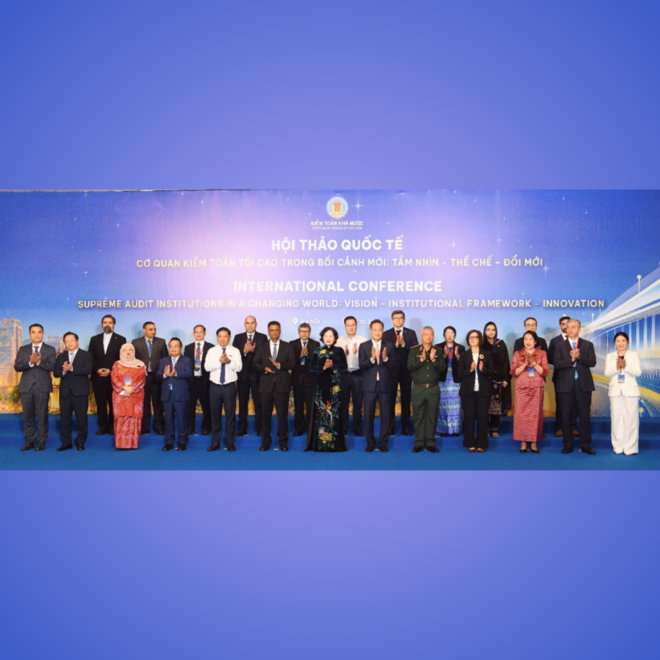
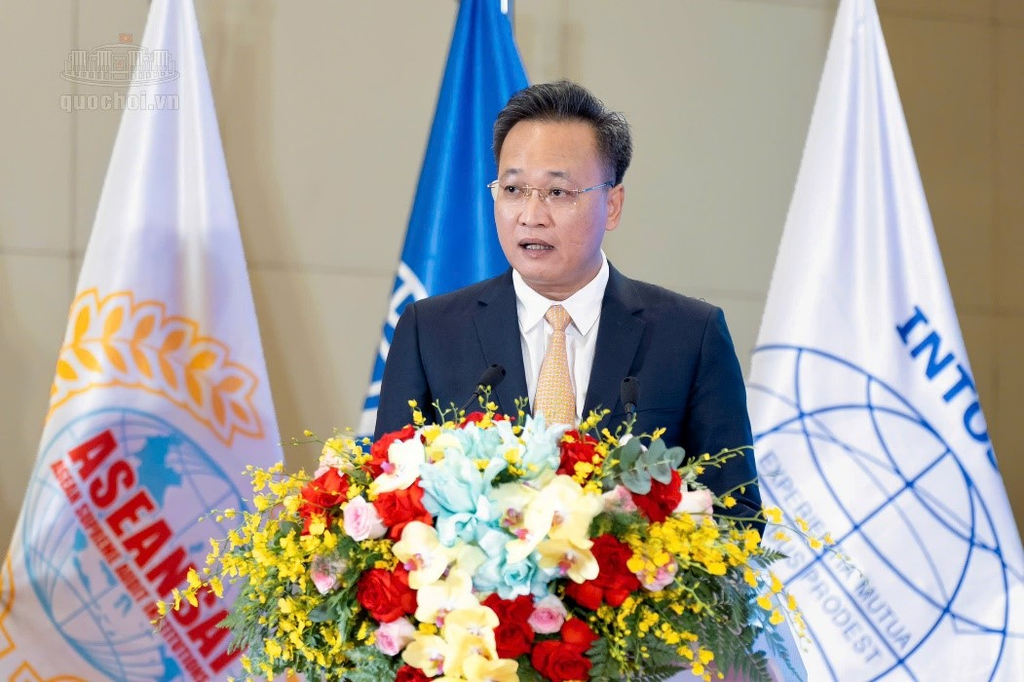
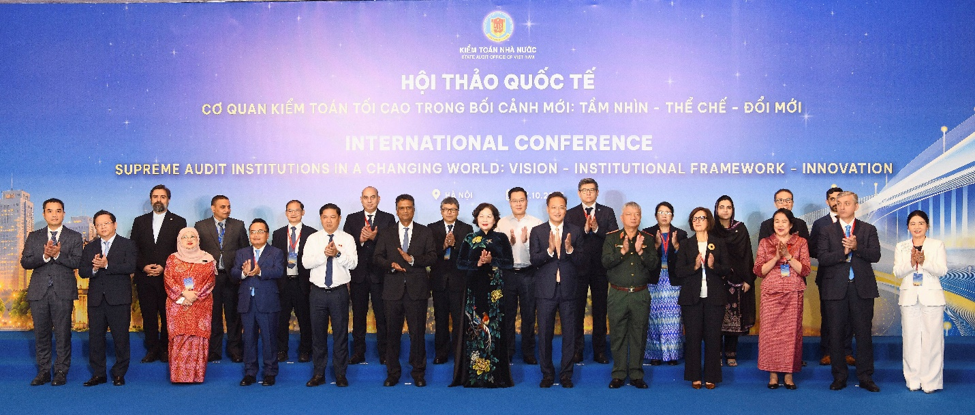
Supreme audit institutions (SAIs) must safeguard their independence while adapting to new demands. These issues framed the international conference “Supreme Audit Institutions in a Changing World: Vision, Institutional Framework and Innovation,” hosted by the State Audit Office of Viet Nam (SAV) in Ha Noi on 27 October 2026. It brought together 240 participants, including 75 international delegates from 16 delegations, six led by SAI heads. Representatives of the SAI of Egypt, INTOSAI Chair for 2025–2028, and the SAI of India, ASOSAI Chair for 2024–2027, also attended.
The program featured 13 papers and a panel discussion with seven panelists from the SAIs of India, Greece, Malaysia, China, Egypt, Singapore and Pakistan. Discussions covered SAI legal status, independence, functions, mandates, and the legal effect and implementation of audit recommendations. The Lima and Mexico Declarations were reaffirmed as foundations for SAI legal status and independence, access to information and accountability. Participants stressed that stronger institutional frameworks, policies and auditing standards must improve audit quality and efficiency while upholding professionalism, transparency and integrity.
Audit modernization and technology featured prominently. Participants discussed risk-based control, oversight and assessment supported by reliable evidence, alongside remote and data-driven auditing and artificial intelligence (AI). Integrated audit databases interoperable in real time with national databases and data from public-resource managers and users are important enablers. Audits should examine the substance of economic, financial and investment transactions beyond financial statements and figures. Performance and compliance audits assess economy, efficiency and effectiveness in public resource management, detect fraud, legal violations, corruption, waste and misconduct, and support recommendations. AI can improve audit productivity and efficiency, minimize errors, accelerate data searches and analysis, and assess risks and relationships, but cannot replace auditors’ professional judgement grounded in sufficient evidence and a sound legal basis.
Discussions linked SAI work to public accountability and national development. SAIs can support legislatures and governments in formulating, managing and implementing socio-economic policies, programs and strategies. Audit priorities may include resource management, environmental protection, climate change, the Sustainable Development Goals (SDGs), and green and digital transitions. Audit reports provide independent, reliable information for public oversight and deliberations on major national issues and bills.
Participants emphasized follow-up of audit recommendations, transparent disclosure of results, enforcement mechanisms and action when recommendations are not implemented. Coordination among SAIs, legislatures, governments, inspection, investigative and legal authorities can strengthen oversight of state power and prevent corruption, waste and misconduct. These tasks require professional, technical, legal and digital expertise and international cooperation. INTOSAI, ASOSAI and regional SAI organizations can foster cooperation, lead innovation, build capacity, share knowledge and promote common values. For SAV, the discussions will inform its Development Strategy to 2035, with a vision to 2045, and work to amend and supplement the Law on State Audit, aiming to improve audit quality, effectiveness and efficiency.