Bringing Audits to the People: Making Audit Reports More Engaging and Relevant

By Shay Sapir, Deputy Spokesperson, The State Comptroller and Ombudsman of Israel and EUROSAI Presidency
Introduction
Audit institutions serve as guardians of transparency and accountability in various societies around the world. Yet for too long, their work has remained cloaked in dense language, legal references, and technical jargon that are largely inaccessible to the general public. While audit reports contain findings that can impact every citizen—from public transportation delays to failures in health systems—most people never read them. In an age where information is expected to be instantaneous, visual, and emotionally resonant, audit institutions around the world must reimagine how they present their work.
The Office of the State Comptroller and Ombudsman of Israel (SAI Israel), which currently holds the EUROSAI Presidency, has embarked on a mission to do just that. By adopting innovative communication methods such as video infographics, social media engagement, and even artificial intelligence (AI) tools, SAI Israel exemplifies a growing global movement within the auditing community: making audit reports not only accessible, but engaging, human-centered, and impactful.
Why Accessibility Matters
Public sector audits are not just internal accountability mechanisms. They are the voice of the public, evaluating whether government agencies have delivered services fairly, efficiently, and lawfully. Yet, we cannot rely on the assumption that the average citizens will read the whole report. And indeed, they shouldn’t have to.
Audit accessibility is not a compromise; it is an obligation. If audit findings are to trigger reform, mobilize citizens, and influence decision-makers, they must be understandable. More importantly, they must resonate with lived experience. In this context, accessibility means more than translation or formatting. It is about relevance, connection, and inclusion.
Reinventing the Audit Summary: From Text to Narrative
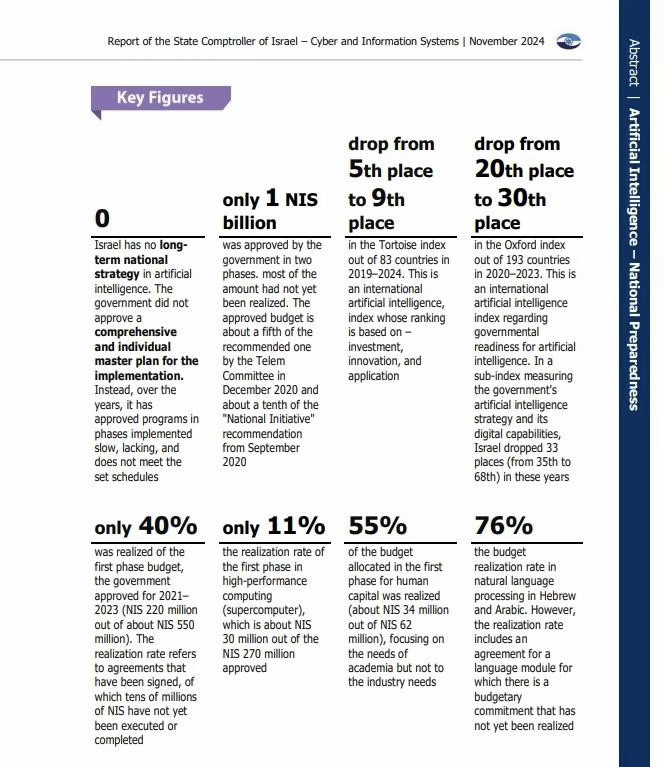
One of the most transformative steps undertaken by SAI Israel has been the redesign of its executive summaries. Traditionally long and wordy, the summaries were distilled into more digestible formats that include:
- A short background of the audit topic
- Key figures that often tell the story in a single glance
- A summary of audit actions
- Clear, prioritized findings
- Concise recommendations
- Supporting visuals such as graphs or photographs
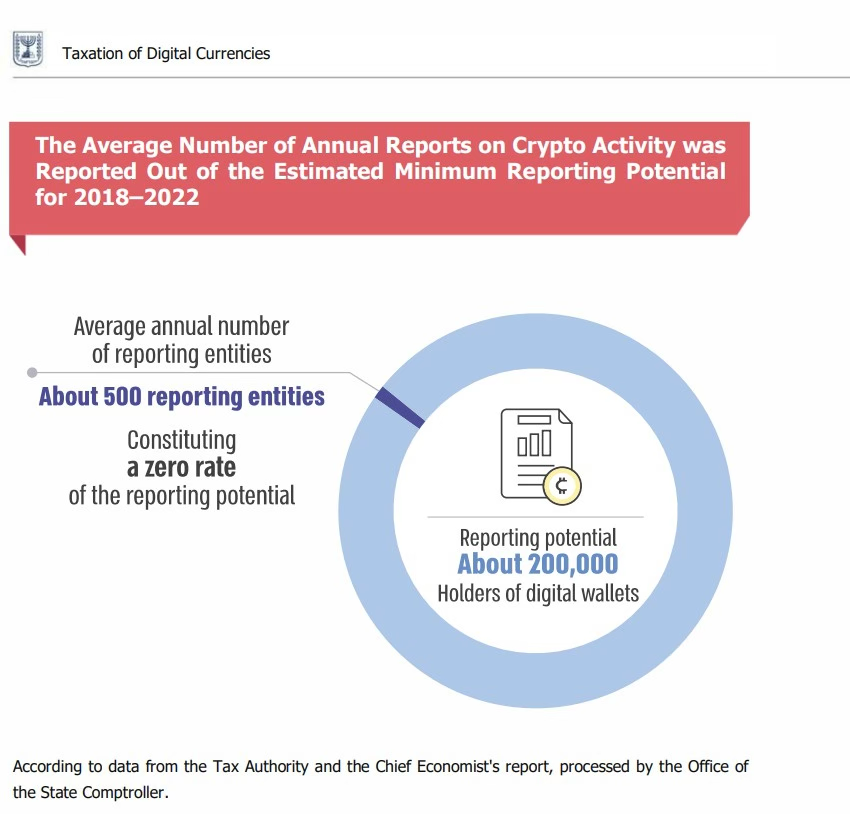
Consider the audit on Taxation of Digital Currencies that was published by EUROSAI President and State Comptroller and Ombudsman of Israel, Mr. Matanyahu Englman, on November 2024. Rather than delving into legal complexities, the summary of the report highlighted two figures: 200,000 estimated crypto holders in Israel, and only 500 who reported to the tax authority.
These figures alone demonstrated a serious compliance gap, making the issue immediately understandable and attention-grabbing – even for a layperson.
The Power of Video: Beyond the Page
Text has its limits. That is where video enters the scene. In recent years video has proven to be a powerful tool for transforming technical audits into emotionally compelling narratives.
Take, for example, the extended follow-up audit on National Climate Action by the Government of Israel. Released in March 2024, it concluded that Israel’s national climate action had stagnated. Instead of a long document lost in bureaucratic archives, the audit findings were launched with a short video infographic. Its visual urgency combined with clear messaging led to extensive media coverage and even policy engagement.

Similarly, a video released alongside the audit on artificial intelligence preparedness led to an emergency discussion in the Prime Minister’s Office and in the Parliament. This discussion led to the formation of a new governmental committee on AI strategy. In both cases, the audit’s reach expanded dramatically – because it was seen, understood, and shared.
Humanizing Audit Reports: Voices Behind the Findings
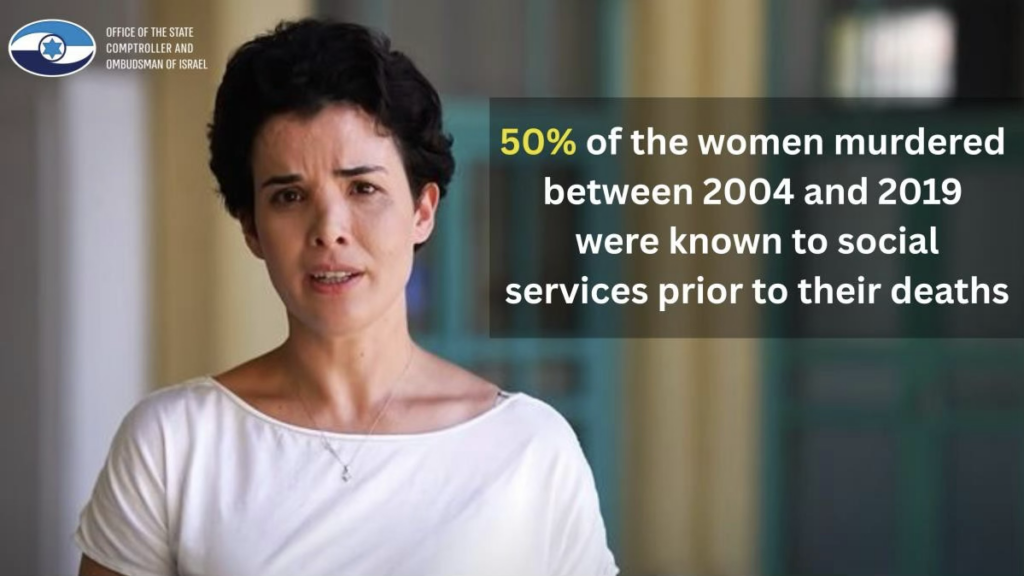
A core principle in SAI Israel’s communications strategy is the idea that “behind each audit report, there are people.” This human-centered approach brings public audits closer to the heart of the viewer.
Prominent cases illustrate this power. Shira Isakov, a survivor of domestic abuse, presented the audit on violence against women. Ariel, a schoolboy who was shunned by his schoolmates, narrated the findings of a report on online child protection.
Dorit, a survivor of the terror attack at the Nova music festival on October 7th 2023, presented a report on post-trauma mental health services.
These testimonies transform audits into narratives. They give voice to the voiceless and make abstract data feel real and urgent. In doing so, they also reaffirm the relevance of the audit institution itself.
Expanding Channels: Social Media and Podcasts
Making reports accessible is not just about format; it’s about meeting people where they are. That means distributing content across diverse platforms.
SAI Israel is active on Facebook, Instagram, X (formerly Twitter), Telegram, YouTube, LinkedIn, TikTok, and Threads. Each network requires tailored messaging: Instagram for quick visuals, YouTube for longer explainers, TikTok for sharp bursts of insight, and LinkedIn for policy and professional engagement.
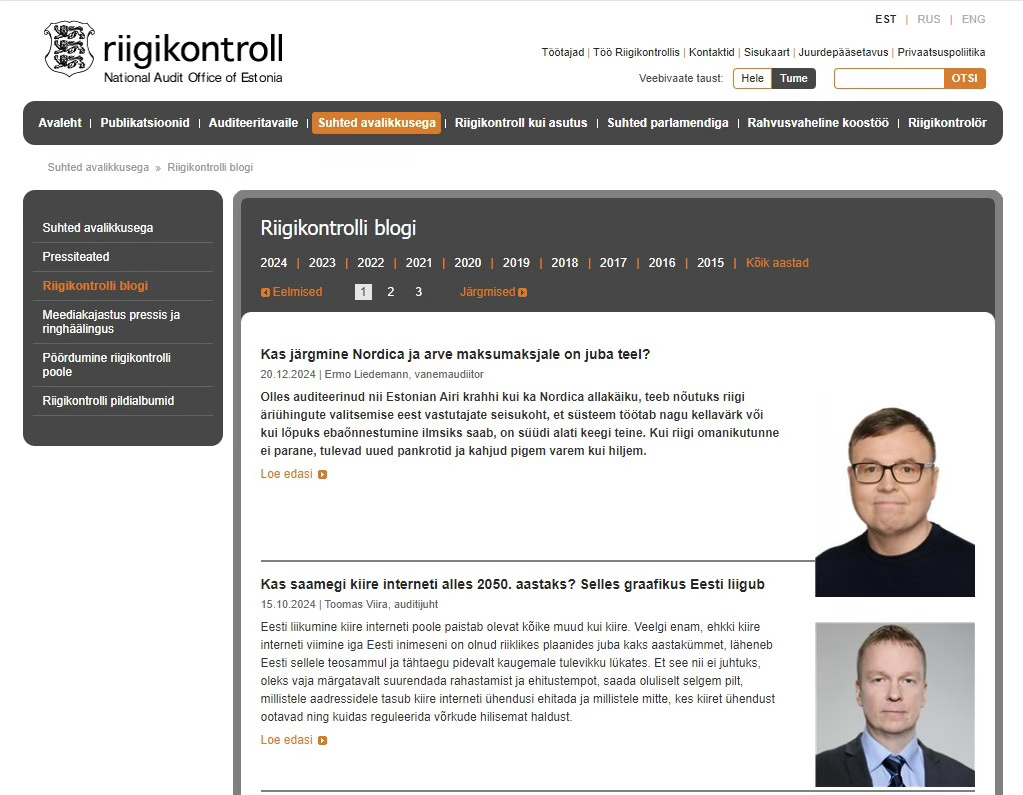
Other SAIs in EUROSAI have taken similar steps. The UK National Audit Office (NAO) promotes reports through LinkedIn and Twitter. SAI Austria produces podcasts with auditors. SAI Estonia maintains a blog. Accessibility is now a continental expectation.
New Frontiers: AI, Mobile, and Multilingual Access
Innovation does not stop with videos and social media. SAI Israel is now piloting tools to increase accessibility even further:
- Mobile-First Reports: Reports structured for mobile reading, recognizing that many citizens increasingly avoid accessing full desktop websites.
- AI-Powered Chatbot: A developing project that aims to allow users to ask questions about audits and navigate findings via conversational AI.
- Multilingual Outreach: Recognizing Israel’s diversity, some reports are now distributed in Arabic – particularly those affecting marginalized communities.
Even children are considered in this inclusive strategy. SAI Israel is exploring child-friendly videos, especially for audits on education, environment or online safety. Because accessibility should not start at age 18.

Best Practices for Accessible Auditing
Based on experiences in Israel and shared practices from around the world, here are five best practices for making audit reports more accessible:
- Simplify Language: Avoid audit jargon. Use everyday vocabulary. Focus on impact, not process.
- Visualize Data: Translate numbers into motion. Use graphs, animations, and infographics.
- Tell Human Stories: Include real voices. Connect findings to personal experiences.
- Use Diverse Platforms: Don’t rely on websites. Go where the audience is – mobile phones, social networks, podcasts.
- Design for Inclusion: Consider language minorities, children, and people with disabilities. Think about every audience.
Conclusion: From Oversight to Outreach
We are no longer in an era where audit institutions can afford to speak only to government professionals. If audits are to serve society, they must become tools of outreach – not just oversight.
By embracing new formats, amplifying real voices, and meeting people in their digital spaces, Supreme Audit Institutions can expand their influence far beyond traditional reports. They can drive change, restore trust, and remind the public that accountability is not abstract – it is personal.
The path forward is clear: Make the report human. Make it visible. Make it relevant.