Understanding Contextual Factors Impacting SAI Independence: The IDI-OECD Global Project
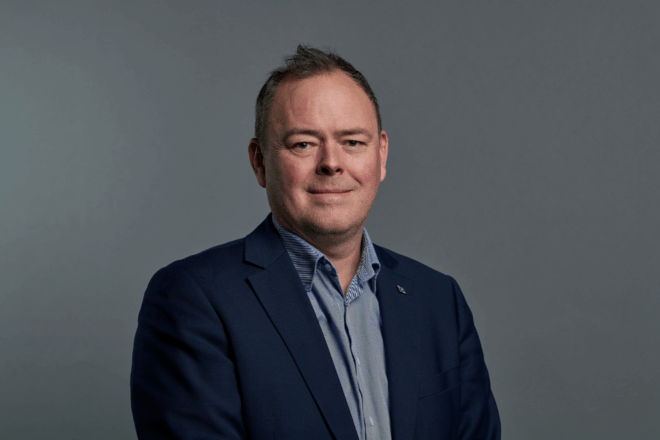
Author: Einar Gørrissen, Director General of IDI
In October 2022, the INTOSAI Development Initiative (IDI) and the Organisation for Economic Co-operation and Development (OECD) began collaborating on a joint effort to explore the challenges faced by Supreme Audit Institutions (SAIs) in safeguarding their independence. Rather than focusing solely on legal frameworks, the goal was to examine SAI independence from a broader and more practical perspective, taking into account informal pressures, institutional dynamics, and political realities that affect how independence is exercised in practice.
As a result of this shared understanding, we launched the Global Project on SAI Independence. This initiative brought together key partners, including the INTOSAI Policy, Finance, and Administration Committee (PFAC), the INTOSAI General Secretariat, the Swiss State Secretariat for Economic Affairs (SECO), the World Bank, and the International Monetary Fund (IMF). The wide range of partners reflects the recognition that SAI independence is a cross-cutting topic that supports broader agendas such as good governance, anti-corruption, fiscal transparency, and public accountability. Ensuring that SAIs can operate independently is essential to building trust in public institutions and strengthening democratic systems.
The main goal of the Global Project is to strengthen the implementation of the Mexico Declaration principles by generating knowledge and insights on how these principles can be applied in practice.
Why include informal factors at the core of the Global Project on SAI Independence?
Based on IDI and OECD’s experience in different countries, we know that legal rules alone do not fully explain the challenges that SAIs face. There are also numerous informal and political factors that affect how independent SAIs really are.
Both IDI and OECD believe that even when a country has strong laws that protect SAIs—following the Mexico Declaration principles—these are not always sufficient to safeguard SAIs from threats and independence risks as there are also other practical or de facto elements that influence SAI’s context. In practice, the level of SAI independence is usually determined by the legal framework and by how the discretion of the legal provisions is used, and how the Executive, Legislature, Judiciary, civil society organizations (CSOs) and media interact with the SAI.
In the initial discussions, there was a shared understanding that in countries where democratic checks and balances are weakening, SAIs often come under growing pressure. In such contexts, we have seen heads of SAIs being removed without legal justification, budgets drastically reduced, social media used to politicize the work of SAIs and audit reports being disregarded by key institutions. As a result, the SAI’s ability to hold the government accountable is significantly weakened. Over time, this leads to a shrinking of their mandate and reduced impact.
IDI and OECD believe the understanding of these non-legal factors should complement the analysis of the laws. To truly understand SAI independence, it’s important to look at how SAIs are perceived, what is expected from them, how much political pressure they face, and whether they are allowed to do their job without interference in practice.
What kind of things will the Global Project help us to understand?
The Global Project will shed light on the different forms of interference SAIs face, the protections available to their leadership, and the contextual factors that shape their independence and effectiveness. It will also help clarify how reputation and other non-legal tools can function as safeguards, and how threats manifest differently across national and political environments. Here are some examples:
What does it mean for a head of SAI to be protected, given the national context?
The ultimate goal of the Mexico Declaration regarding the independence of the head of the SAI is to ensure that they can carry out their duties from a legal and technical standpoint, free from political interference or retaliation. However, what “protection” means in practice depends heavily on the national context.
This protection must consider how the nature of the head of SAI’s interactions may change over the course of their tenure—what applies at the beginning of the term may differ significantly at the end. Additionally, the effectiveness of protective measures often varies throughout the electoral cycle, with certain periods posing greater risks.
It is also essential to account for the expectations held by the political actors who appoint the head of the SAI. These expectations can shape both the perceived and actual independence of the SAI, and thus influence the forms of protection that are most relevant and necessary.
How important is the reputation of the SAI?
Reputation is a critical form of non-legal protection. A well-regarded SAI with a strong public image and a consistent record of professionalism is better equipped to withstand informal pressures and political attacks. The role of the head of SAI is key in the building of this reputation.
When key stakeholders—including the media, civil society, international partners, and the public have trust in the SAI’s integrity and the professionalism of their work, it becomes politically more costly for governments or other actors to interfere. This kind of “soft power” acts as a buffer against undue influence and strengthens the SAI’s position when defending its independence.
While reputation cannot replace legal protections, it can significantly reinforce them. The Global Project will contribute to a deeper understanding of the role, meaning, and contextual relevance of reputation in safeguarding SAI independence.
What are the types of indirect interferences from governments and audited entities?
SAIs are often subject to indirect forms of interference. These include attempts to discredit audit findings, public attacks aimed at undermining the institution’s credibility, and informal (non-official) communications (including conversations) intended to pressure audit staff.
The Global Project will help identify and systematize the patterns, conditions, and circumstances in which these interferences occur. It will also explore potential strategies and measures to mitigate their negative impact on the performance and independence of SAIs.
What does it mean to be financial independent in a context of fiscal constraints?
The Global Stocktaking report prepared by IDI generally reflects challenges related to the availability of financial resources (budget) and human resources (staffing).
The Global Project will help us better understand:
- How the Executive and Legislative branches share power in setting the national budget, including the SAI’s budget.
- The practical barriers for SAIs to have a suitable recruitment process?
- How budgets are determined for other independent public bodies like the Central Bank, the Ombudsman, or the Judiciary, and what SAIs can learn from that.
- The arguments given by governments to raise or cut the SAI’s budget—and whether those reasons were technical or political.
- How political realities and behind-the-scenes decisions can influence the resourcing of SAIs.
In addition, the Global Project will generate both qualitative and quantitative information to support the development of deeper knowledge and analysis on SAI independence—including new approaches to assess and measure it.
Ultimately, the Project will also provide a strong basis for engaging other actors within the accountability ecosystem and for building a long-term agenda to advocate for the independence of SAIs.