SAI Independence – the Bedrock of Effective Capacity Development in SAIs
Author: The INTOSAI Capacity Building Committee Secretariat
The INTOSAI Strategic Plan for 2023-2028 identifies advocacy for and support of the independence of Supreme Audit Institutions (SAIs) as a central priority. It highlights how INTOSAI promotes and supports SAIs’ efforts to improve and protect their independence to enable SAIs to fulfil their mandate to the benefit of citizens.
While the first Goal 2 Operational Plan – developed in 2022 by the INTOSAI Capacity Building Committee (CBC), the INTOSAI Regional Organisations, the INTOSAI Development Initiative (IDI), peer support SAIs and the INTOSAI-Donor Cooperation – did not list independence as a specific indicator given the numerous initiatives already underway across INTOSAI, it has since become clear that independence is a recurring theme that underpins nearly every challenge SAIs face, including capacity development.
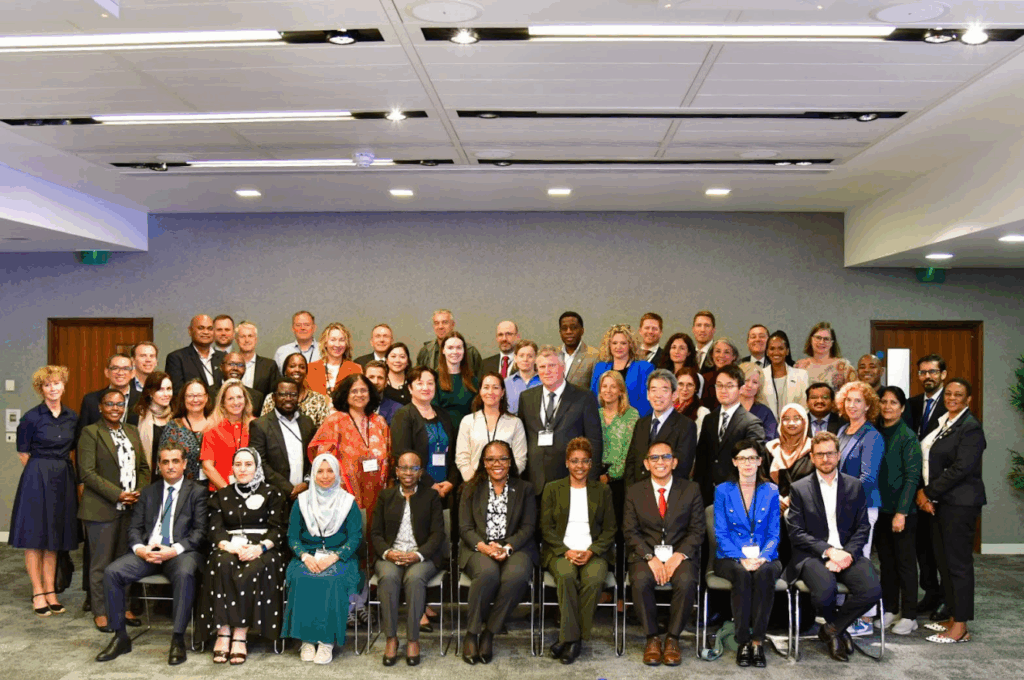
Reflecting on this growing recognition, the Goal 2 Operational Plan for 2026-2028, approved by the CBC Steering Committee in June 2025 and the INTOSAI Governing Board in October 2025, introduces a new indicator focusing on SAI independence:
Percentage (%) of SAIs with (a) a legal framework prescribing conditions for the SAIs’ financial and operational independence and (b) independence in recruitment of staff.
SAI independence is not just a legal principle, but also a practical requirement for SAIs to develop and sustain their capacity and capabilities. The following are some of the major practical reasons why:
- Stable and predictable resourcing for capacity building – without financial independence, SAIs may be subject to arbitrary budget cuts or delays by the executive, limiting their ability to invest in training, modern audit methods, digital tools, or staff development. And, predictable funding allows SAIs to plan long-term capacity-building initiatives.
- Ability to recruit, retain, and develop talent – operational independence ensures SAIs can set their own human resource (HR) policies, recruit qualified professionals, and reward performance. Without it, they may be bound by restrictive public service rules or political interference, hampering their ability to attract scarce skills.
- Flexibility in operations and innovation – independent control over operations enables SAIs to modernise their audit methods, adopt international standards/ International Standards of Supreme Audit Institutions (ISSAIs), and engage in international cooperation in support of development.
- Strengthened accountability and credibility – SAIs that are visibly independent, including financially and operationally, signals to Parliament, citizens, and international partners that it is a professional institution worth supporting. This credibility attracts donor support, regional cooperation opportunities, and knowledge exchange that directly enhance capacity.
Building on this Goal 2 commitment, the remainder of this article, highlights some of the initiatives where the CBC has worked to raise awareness, identifying threats to SAI independence and supporting SAIs in charting sustainable pathways towards independence.
Challenges experienced in adhering to international standards: independence as a root cause
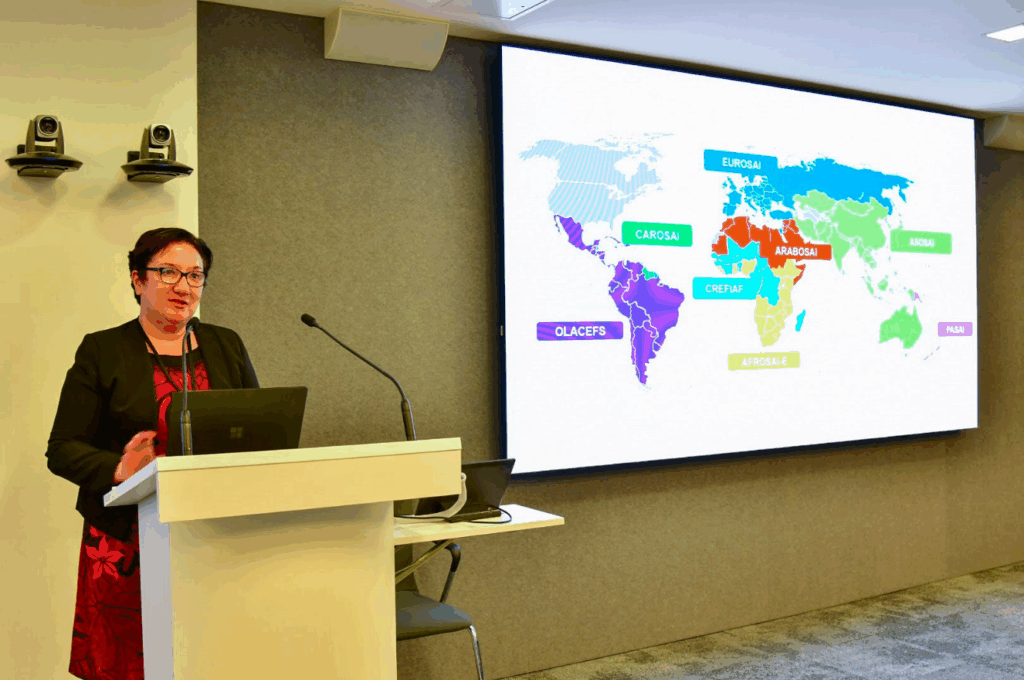
At the 2023 CBC Steering Committee meeting, CAROSAI—supported by PASAI and AFROSAI-E—highlighted the pressing challenges faced by SAIs operating in small island developing states and other complex environments. While the initial focus was on the application of ISSAIs in these contexts, the CBC recognized the need to delve deeper and commissioned research to uncover the root causes of the difficulties experienced by these SAIs.
The research identified several recurring issues, including resource and financial constraints, staffing and competency gaps, technological limitations, and the complexity of ISSAIs. However, a key insight from the study was that the lack of genuine independence—both financial and operational—was a fundamental barrier to overcoming these challenges.
Independence emerged not only as a solution but as a prerequisite for sustainable improvement. The research underscored the importance of robust policies and legal frameworks that guarantee SAIs the autonomy to manage their own resources, recruit qualified personnel, and operate free from external interference. Researchers strongly advocated for continued support to SAIs in their efforts to push for legal reforms that reinforce their independence, thereby enhancing their organizational stability and effectiveness.
Illustrating the nuanced nature of these challenges, some SAIs reported having theoretical financial independence but lacked the authority to recruit staff. Others had the autonomy to hire but were constrained by insufficient funding. These examples reflect the fragmented and often superficial nature of independence in practice, and reinforce the need for a holistic approach to strengthening SAI autonomy.
Maintaining Independence in the Audit of Donor Funds
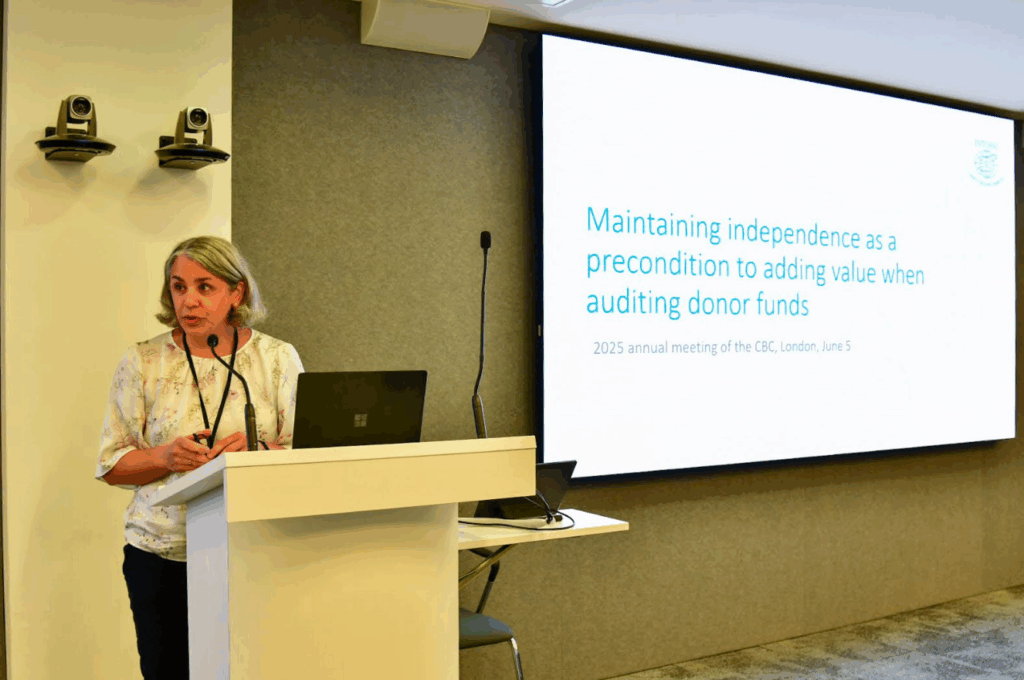
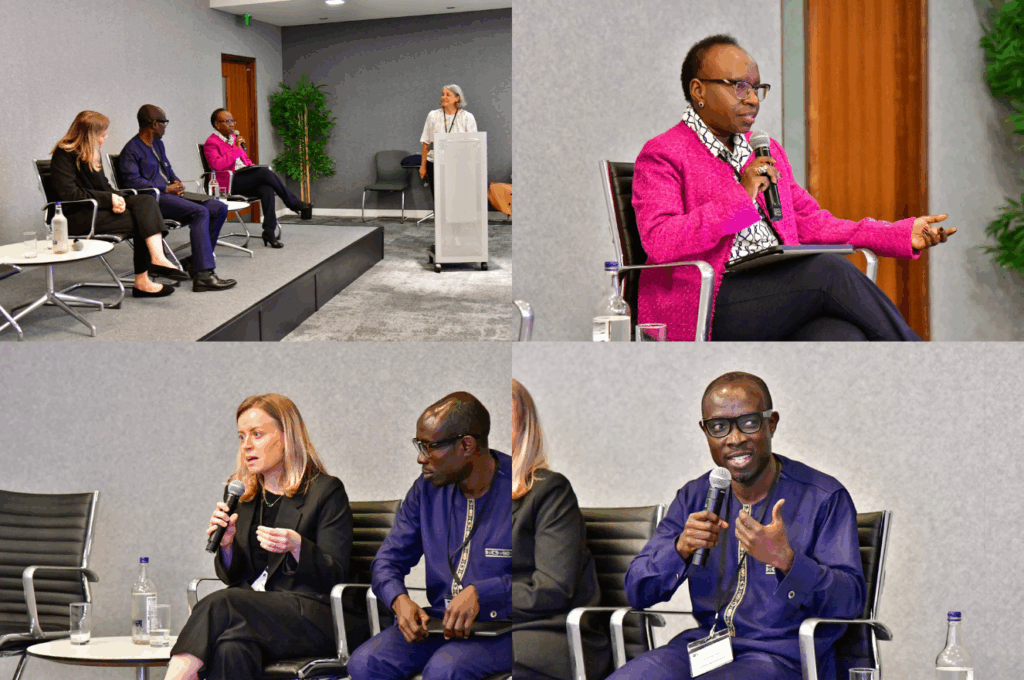
During the COVID-19 pandemic, the CBC hosted two webinars focused on how SAIs audit donor funds within their own countries. These sessions explored challenges, good practices, and opportunities, with a particular emphasis on fostering mutual understanding and cooperation between SAIs and donors in the context of development aid and financial accountability.
The discussions revealed a critical tension: while SAIs generally welcome the mandate to audit donor funds—recognizing its importance for ensuring comprehensive oversight of public finances— this role can pose significant risks to their independence.
A central tenet of SAI independence is the ability to determine what to audit and how, based on objective assessments of risk and materiality. However, this autonomy is often compromised when donors enter into agreements with governments that obligate SAIs to audit donor funds under specific conditions—such as fixed timelines, prescribed standards, or reporting formats that fall outside the SAI’s normal procedures. Such externally imposed requirements undermine the SAI’s ability to operate independently and strategically. Adapting to varying donor expectations also places strain on limited financial and staffing resources, hampering the SAIs’ ability to fulfill their broader mandate and inhibiting the development of sustainable institutional capacity.
Moreover, SAIs are rarely adequately remunerated for these audits. In some cases, training is offered in lieu of financial support, but training narrowly tailored to donor needs often fails to build lasting institutional capacity. This approach risks positioning SAIs as service providers for donor/external agendas, rather than as independent institutions accountable to citizens to deliver value within the scope of their national mandate.
Recognizing these risks, the CBC launched a dedicated workstream to further investigate these concerns. SAIs are encouraged to contribute to this ongoing work by contacting the CBC Secretariat (secretariat@intosaicbc.org).
Independence in complex and challenging contexts
Independence is particularly difficult to achieve where political and institutional fragility is high. The CBC workstream on SAIs in complex and challenging contexts addresses many issues raised by its members, including those relating to SAI independence. Yet progress is possible.
In February 2024, SAI Somalia shared its achievement of securing the passage of Audit Law No 14 (2023), an important milestone given the country’s political complexity. The new law strengthens financial accountability and transparency, making a significant step toward modernizing the oversight framework. This process required perseverance and strategic engagement, serving as an example of how legal reforms can be advanced even in the most challenging contexts. The webinar recording on SAI Somalia’s journey and key insights is available on the INTOSAI Capacity Building Committee Website.
Regional initiatives supporting SAI independence
Regional organizations are playing a crucial role in advancing the independence agenda.
At the June 2025 CBC meeting, AFROSAI-E presented its ongoing efforts to address the independence challenges faced by SAIs in its region. Drawing on findings from the INTOSAI Global Survey, the IDI Global SAI Stocktaking Report, and self-assessments conducted by regional SAIs, AFROSAI-E identified several persistent threats to SAI independence. These include:
- Inadequate legislative provisions safeguarding independence
- Limited audit mandates
- Lack of financial and administrative autonomy
- Unclear or constrained mandates and terms for Auditors General
Recognizing that legislative improvements have been slow and that existing audit acts are often not implemented in practice, AFROSAI-E has adopted a proactive and strategic approach to support its members in securing genuine independence.
Central to this effort is the development of a Model Audit Act structure, grounded in regional experience and aligned with INTOSAI standards and best practices. This Model Audit Act, which was shared for comment during the CBC meeting, aims to provide a clear, ISSAI-compliant framework for amending national legislation. By doing so, AFROSAI-E seeks to empower SAIs to advocate for reforms that ensure their autonomy in law and in practice.
Beyond legislative drafting, AFROSAI-E is committed to collaborating with country-level stakeholders to promote SAI independence and is actively engaging with global organizations, research institutions, and development partners to share its work and amplify its impact.
Elsewhere, PASAI has embedded SAI independence as a strategic priority in its 2024–2034 Strategic Plan, recognizing that independence is a prerequisite for building resilience among SAIs in the Pacific. By mainstreaming independence into long-term planning, PASAI signals that autonomy will remain central to the region’s development agenda for the coming decade.