By: Sherlita Nurosidah

Filter By:
Sort By:
SAI Indonesia’s Pathway to Safeguarding Independence

The independence of Supreme Audit Institutions (SAIs) has long been recognized as a fundamental principle for ensuring the credibility and effectiveness of public sector auditing. Since the adoption of the Lima Declaration in 1977, the global consensus has been clear mentioning SAIs cannot fulfill their oversight mandate effectively without a high degree of independence, both formally guaranteed and practically exercised. Independence serves not only a technical function but also carries normative significance, as it underpins the accountability of governments to citizens and contributes to the broader goal of strengthening institutions as articulated in the United Nations Sustainable Development Goals, particularly Goal 16 on peace, justice, and strong institutions.

Waste Management and Performance Audits: A Framework for Sustainable Infrastructure

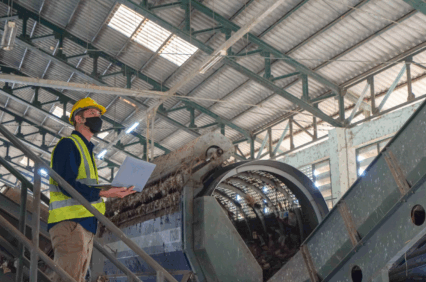
Waste, often regarded as the byproduct of industrialization and urbanization, has become one of the most critical global issues, with municipal waste generated worldwide exceeding two billion tons each year. This number will continue to rise due to increased human activity throughout the entire lifecycle of non-municipal waste as well, including that from agriculture, construction, industry, and healthcare. 

The Evolution of the Honorary Council of the Code of Ethics: Strengthening SAI Indonesia’s Jurisdiction

Striving for a high standard of ethical assurance has been deeply rooted as part of daily services in public institutions. Globally, INTOSAI has ISSAI 130 on the Code of Ethics, which underlines the importance of implementing an ethics control system within the SAI. The system does not only carry out ethical requirements but also other programs, such as risk identification, analysis, mitigation, educational support, assessment of misconduct allegations, and suspect protection. SAIs worldwide vie to initiate a satisfactory management climate and proactively ensure the expected morality. Invariably, SAI Indonesia believes in honouring these values. 

Unveiling Challenges: Auditing Small Islands in the Indonesian Archipelago

As the largest archipelagic nation in the world, with a length of approximately one-eighth of the Earth’s circumference, Indonesia’s smaller islands boast rich cultural diversity, economic intricacies, and unique environmental contexts. This article delves into the complexities auditors face when undertaking audit tasks on these diminutive, yet economically significant islands. From grappling with limited infrastructure and navigating the geographical remoteness to understanding the economic intricacies of industries that shape these islands, auditors are confronted with a tapestry of challenges that demand a tailored and astute auditing approach.